Apple Watch Ultra 4 vs. Ultra 3: Longer Battery Life and New Health Tools
- Joseph Jones
- 741 reads
The Ultra 4 adds more frequent heart tracking, readiness scoring and longer endurance use. The Ultra 3 remains a capable, lower cost option.

The Apple Watch Ultra 4’s case and screen look much like the Ultra 3’s, but its updated sensors and S11 chip change what the watch can measure and how long it can run. For endurance athletes, those gains could justify moving up a generation. For many other users, the Ultra 3 still covers the essentials, and its lower street price may matter more.
Same rugged design, familiar display
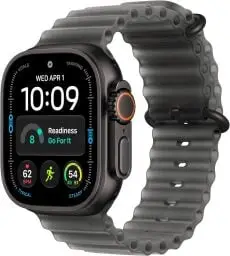
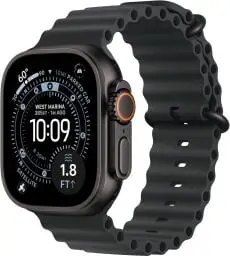
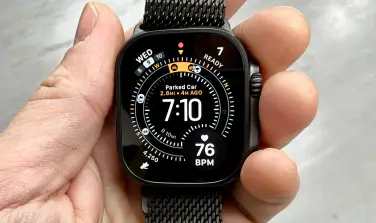
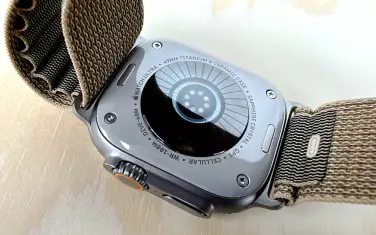
Both watches use a 49mm titanium case rated for water resistance up to 100 meters. Their cases come in natural or black titanium, and the two models are nearly indistinguishable at a glance. The Ultra 4 weighs up to 1.4 grams more, depending on the case color. Its rear crystal uses ceramic and zirconia; the Ultra 3 combines ceramic with sapphire crystal.
The always-on, wide-angle OLED display is unchanged. Both models reach up to 3,000 nits of brightness, which Apple says is 50 percent brighter than the standard Apple Watch Series 12. Connectivity and storage are also the same: Wi-Fi 4, Bluetooth 5.3 and 64GB built in.
Battery gains matter most on long outings
The S11 chip helps the Ultra 4 extend runtime across everyday use and workouts. Apple rates it for up to 50 hours of normal use and 84 hours in Low Power Mode, compared with 42 and 72 hours, respectively, for the Ultra 3. That’s a claimed increase of up to 19 percent, though actual battery life will depend on how the watch is used.
Both watches can reach 80 percent charge in about 45 minutes. The Ultra 4 gets more use from brief charging stops: 15 minutes is rated for up to 18 hours of normal use, and five minutes for up to 10 hours of sleep tracking. The Ultra 3’s corresponding figures are 12 hours and eight hours.
For sustained activity, the Ultra 4 adds Extended Workout and Max Extended Workout modes. Apple rates them for up to 25 and 45 hours while the watch continuously records GPS and heart rate. That extra headroom is the clearest practical upgrade for people doing long endurance sessions.
New sensors feed health and activity features
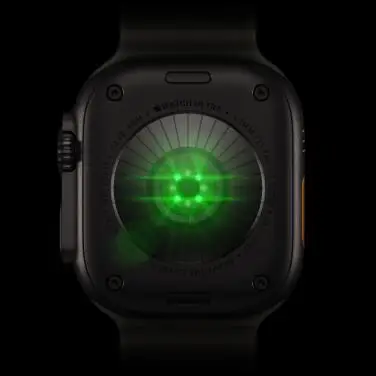
The Ultra 4’s main hardware change is its optical and electrical heart sensors. Apple says they take more frequent and accurate heart-rate readings and measure heart rate variability, or HRV, up to 24 times more often than the Ultra 3. HRV can offer a signal related to stress and recovery; the new model also lets users compare daytime and nighttime readings.
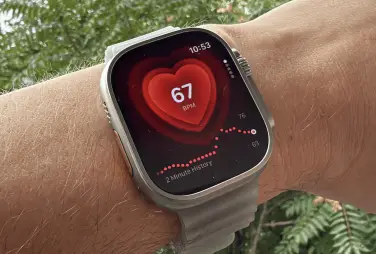
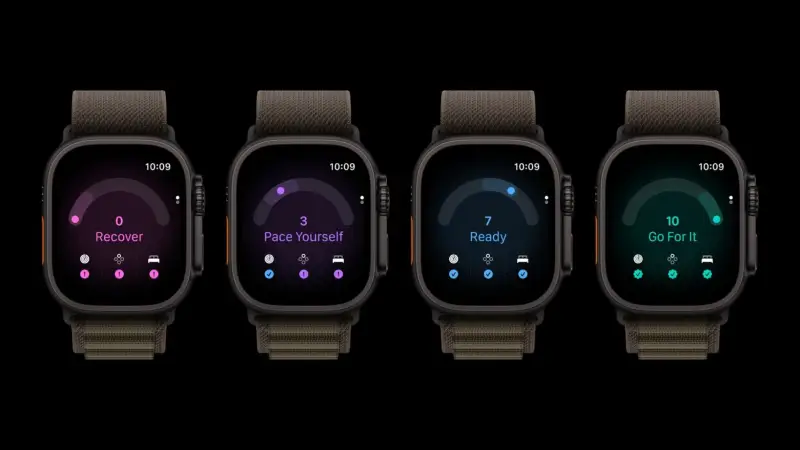
The S11 chip and sensor changes enable a few features the Ultra 3 doesn’t have. A Readiness score, rated from zero to 10, draws on recent activity, vital signs and sleep quality to indicate how prepared someone may be for exercise. A redesigned step-counting model is intended to improve step tracking, and a Steps complication can show the count directly on the watch face.
Audio Intelligence adds Sound Recognition alerts, Live Rewind conversation transcriptions, Siri Recap summaries and automatic music identification through Shazam. These functions use the built-in microphone. Apple says they don’t create or keep audio recordings: raw audio is processed separately from the rest of the system and then deleted. Users can switch the features off.
Both models run watchOS 27 and support Apple Intelligence tools such as Siri AI. Shared health and safety functions include hypertension notifications, sleep apnea alerts, blood oxygen readings, cycle tracking and Emergency SOS via Satellite. The new Ultra 4 features also appear on Apple Watch Series 12, which has the same upgraded chip and sensors.
Bands carry over; prices depend on the deal
The Ultra 4 and Ultra 3 start at $799, with one 49mm size and cellular connectivity. Apple no longer sells the Ultra 3 new through its own store, but retailers still carry it. Its titanium colors and core band options remain the same across generations: Alpine Loop, Trail Loop, Ocean Band and the Titanium Milanese Loop, which costs an extra $100. Apple Watch Hermès bands are also available.

Apple introduced new band colors for the Ultra 4, and they fit the Ultra 3 as well. Alpine Loops come in Desert, dark olive and burgundy; Trail Loops in dark umber, sand and burgundy; and Ocean Bands in translucent gray, translucent kelp and translucent black. The new Hermès option is the Grand H Titane. Prices for the new bands range from $99 to $2,199.
Retail prices can shift the upgrade calculation. The Ultra 3 has fallen to $649 at its lowest and often reaches $699, while the Ultra 4 has reached $699.99 once since launch, according to the pricing information available. If both are selling for their $799 starting price, the Ultra 4 offers more for the same outlay. At a meaningful discount, the Ultra 3 remains a strong choice for less demanding use.
Who should move up?
The Ultra 4 is the more compelling pick for athletes who depend on long battery life and frequent heart-rate readings, especially during extended workouts. Its Readiness score, step features and audio tools add useful capabilities, but they may not change the experience for someone who mainly wants notifications, basic health tracking and a durable smartwatch.
For Ultra 3 owners, the decision comes down to whether the added runtime and sensor detail solve a real need. The design and display provide little reason to switch on their own. Buyers choosing between the two should compare current retailer prices: the Ultra 4 makes the stronger case at equal prices, while a discounted Ultra 3 can deliver the core Ultra experience for less.