Phone Prices Rise in 2026 as Memory Costs Reshape Buying Decisions
- Michael Davis
- 567 reads
Memory shortages have pushed up phone prices, making trade-ins and carrier offers more important. The iPhone Air also shows where thin designs involve trade-offs.
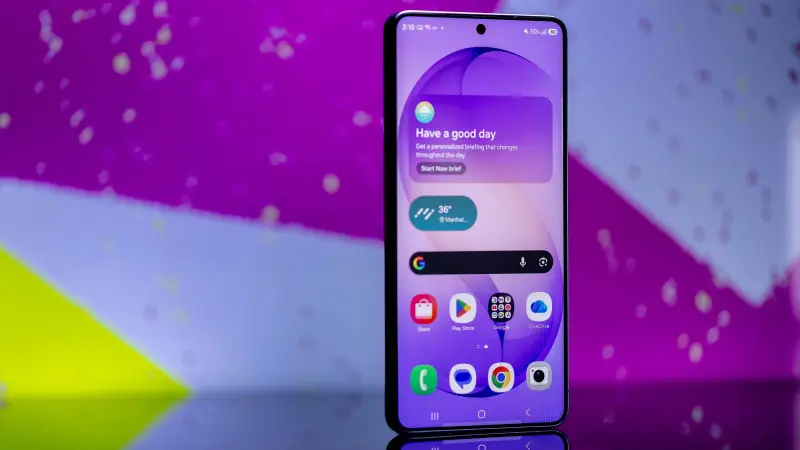
Phone buyers face a less forgiving upgrade market in 2026: Apple, Google and Samsung have all raised prices on new models, while Samsung has also increased prices across its Galaxy S26 lineup. The pressure comes partly from a shortage of memory chips and SSD storage, as demand from AI data centers competes for supplies. Those components sit inside phones as well as computers and game consoles, so their rising cost can reach consumers across several product categories.
Memory costs are part of the phone price

The Pixel 11 Pro provides a clear example of the change: its starting price is $100 higher than the Pixel 10 Pro's. Apple has also raised prices on some older iPhones by $100, and Samsung's Galaxy S26 price increases range from $100 to $200. The specific increases differ by product, but the pattern makes it harder to assume that a new generation will arrive at the previous model's price.
Memory is only one part of a phone's bill of materials, and the available information doesn't isolate how much of any particular price increase comes from chips. Still, the underlying mechanism is straightforward: data centers buying memory and storage can tighten supply for device makers, increasing component costs. Phone makers then decide whether to absorb those costs, adjust configurations or pass some of the increase to customers. The price changes suggest that buyers should check the current cost of each model rather than rely on last year's pricing as a guide.
That pressure also reaches other consumer devices with memory components. A tighter supply can therefore affect shopping plans beyond phones, including laptop and console purchases. For phone buyers, the practical question is whether an upgrade delivers enough value to justify paying more now, especially if a current device still meets everyday needs.
Deals can change the effective price
The advertised retail price is only one part of the cost. Trade-ins can reduce the upfront amount by several hundred dollars, while some carriers offer a phone through monthly bill credits tied to a new line or a qualifying data plan. The iPhone 18 Pro, for example, is offered at no charge with eligible trade-ins and plans through AT&T and T-Mobile.
Those offers require a closer comparison than the headline “free” suggests. Buyers should check which trade-ins qualify, whether a new line or specific plan is required, and how the credits are spread across monthly bills. A lower initial payment can still come with conditions that matter over the length of the plan. For someone already intending to switch plans or carriers, the offer may fit; for someone who wants to keep an existing plan, the unlocked price and trade-in value may be more useful reference points.
Shopping around matters more when several major brands raise prices in the same period. Compare the final cost after trade-in, the plan requirements and the phone's useful life. A discount can make an upgrade easier to justify, but it doesn't make a weak fit into a good one.
Recent picks reflect distinct priorities

Recent testing updates put the Apple iPhone Duo at the top of the foldable iPhone category and the Samsung Galaxy Z Fold 8 at the top of the Android foldable category. The iPhone 18 Pro is a photography pick, while the iPhone 18 Pro Max is singled out for battery life. Those distinctions are useful because they frame a buying decision around specific priorities instead of treating every flagship as interchangeable.
They also show why a broad “best phone” label needs context. A foldable serves a different set of needs from a conventional phone, and a model chosen for photography may not be the right choice for someone who values battery life most. Before paying a higher launch price, buyers should decide which advantage they will actually use and whether the model's category fits how they use a phone.
The iPhone Air illustrates the cost of thinness
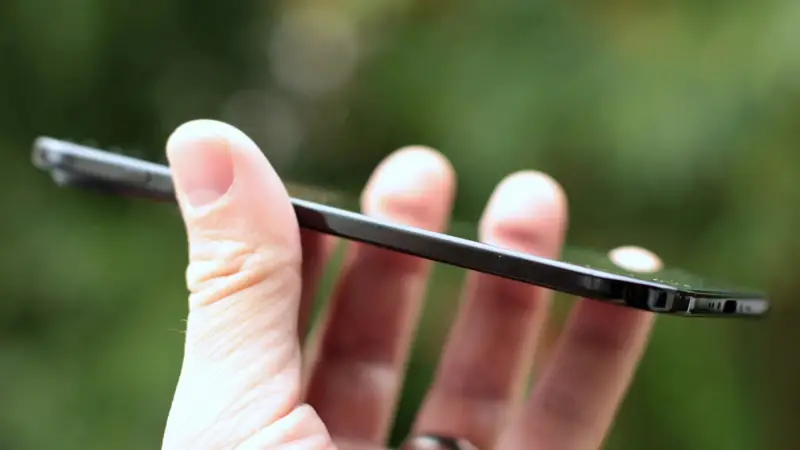
Apple's iPhone Air arrived in fall 2025 as the company's thinnest phone. Its design is appealing, but that slim profile comes with compromises: it has worse battery life and less capable cameras than the standard iPhone 17, which uses the same processor and costs $200 less. The comparison makes the Air's trade-off unusually concrete. Buyers pay for a thinner, well-made design while giving up camera capability and battery endurance, without gaining a different processor.
That makes the Air a specialized choice rather than a default upgrade. People who place a high value on thinness may find the design worthwhile; those who want stronger battery life or cameras have a direct alternative in the standard iPhone 17. The iPhone Air review and guide to Apple's iPhones offer more detail for comparing those options.
For 2026 buyers, the clearest takeaway is to compare real-world priorities and the final price together. Memory costs have coincided with higher prices across major brands, so trade-in terms and plan conditions can carry more weight than before. As new phones arrive, watch whether prices hold and whether each model's practical gains justify the extra cost.