Microsoft 365 Service Credits: What Businesses Need to Know After an Outage
- James Rodriguez
- 325 reads
Microsoft 365 credits require a business claim, and Microsoft calculates them service by service. Eligibility depends on measured downtime and how the plan was purchased.
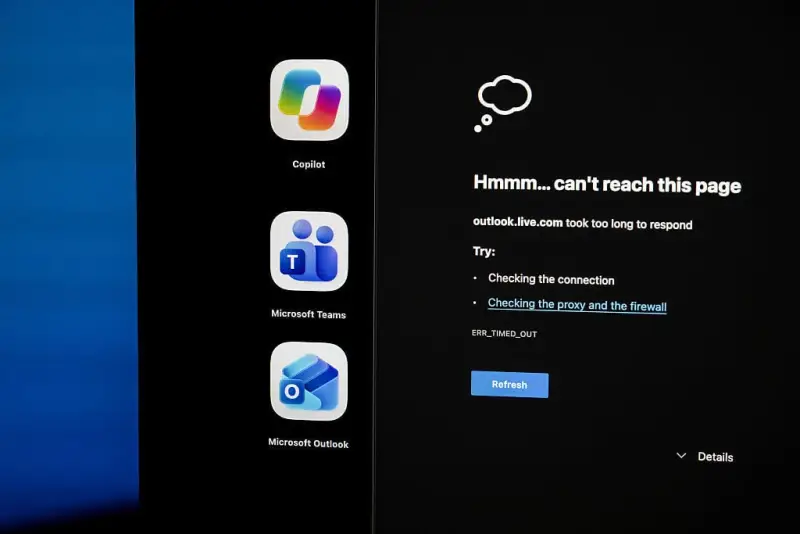
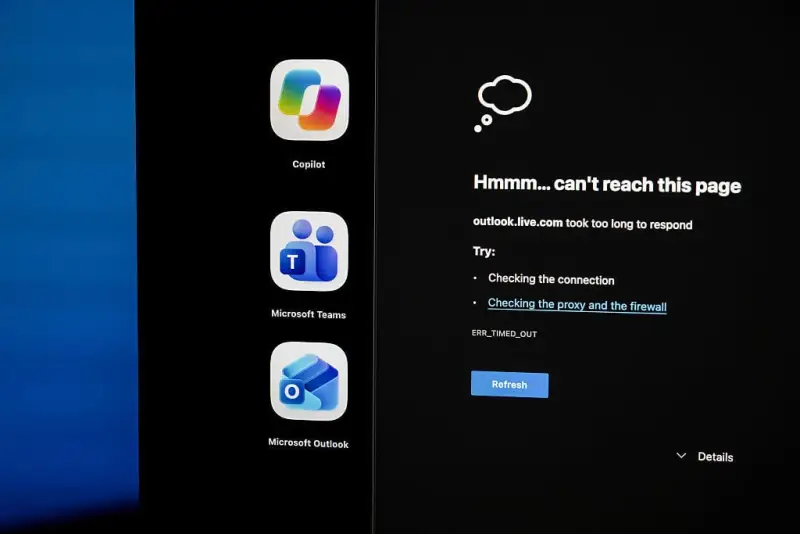
When Outlook, Teams or another Microsoft 365 service stops working, the lost work may be more valuable than any credit a business can recover. Microsoft’s service terms do provide a path to credits when a service misses its monthly availability target, but the process requires a claim, evidence of impact and calculations that can make the return modest. For businesses weighing whether to pursue one, the key questions are which service failed, how many users were affected and who handles the subscription.
Credits depend on the service-level agreement
Microsoft’s service-level agreement sets a 99.9 percent monthly uptime target for individual services, including Outlook and OneDrive. When a service falls below that threshold, an eligible business may be able to request a service credit. That credit reduces a future bill; it is not a direct payment for lost staff time or missed work.
The distinction matters: Microsoft does not automatically issue a credit whenever customers experience disruption. A business has to request one, and meeting the uptime threshold is only part of the assessment. The terms and calculation determine whether a claim qualifies and how much it could be worth.
Microsoft measures impact using “user minutes”: the duration of the interruption multiplied by the number of users shown to have been affected. That approach makes the evidence important. A company’s general impression that “everyone was down” may not establish the service impact required for the calculation. Businesses should be prepared to identify the affected users and the time period during which the service was unavailable.
Why a credit may be smaller than expected
Credits are prorated according to the availability lost, so an interruption does not necessarily produce a full refund for the affected service. A limited reduction in uptime could result in a 25 or 50 percent credit, according to the cited explanations from Quartz and Office Watch. The calculation also applies to each service separately, rather than to the Microsoft 365 subscription as a whole.
That service-by-service approach can sharply limit the value. If Outlook was unavailable while other included tools remained usable, the credit would be tied to Outlook’s measured downtime, not the cost of the entire suite. For a smaller business, or one with relatively few affected users, the resulting amount could be only a few dollars. A larger customer with more users affected for longer may have more reason to document the incident and pursue the credit.
There is a practical tradeoff here. The claim takes time to prepare, and the eventual credit may not compensate for the operational disruption. Businesses should compare the likely credit with the effort needed to collect records, work through the submission process and follow up with the party that manages the subscription.
Who can submit a claim
Employees who use Microsoft 365 at work cannot file individual claims for service credits. The customer is the business that licenses the software, so the business must handle the request. The cited guidance says claims related to this outage must be filed by the end of December, making it useful to identify the account owner and submission route promptly.
For subscriptions purchased directly from Microsoft, an administrator can submit a request through the Office admin center. The business should gather relevant incident IDs and describe which services were unavailable, for how long and how many users were affected. Microsoft then reviews the details and calculates whether a credit applies.
Many organizations buy Microsoft services through a Cloud Solution Provider or another reseller. In that setup, the business generally needs to ask its provider to file the request on its behalf. Microsoft’s Cloud Solution Provider overview describes that channel, and its credit request guidance covers submissions by providers. The customer may have to supply the same incident details, then rely on the provider to pass the request along.
What businesses should do next
Start by confirming how the subscription was purchased and which services the organization actually uses. Then collect incident references, affected-user details and a timeline while those records are easy to find. Businesses that buy through a provider should contact it early, since the submission depends on that intermediary’s handling of the request.
The mechanism offers a route to a bill reduction, but it does not make every interruption financially recoverable. The strongest reason to file is a documented service failure affecting enough users, for long enough, that the calculated credit justifies the administrative work. For smaller incidents, the credit may be less valuable than the time spent pursuing it. Either way, the episode is a reminder to understand the subscription’s service terms and claim process before the next disruption.