Peacock Redesign Adds Franchise Hubs, Adaptive Live Video and AI Search
- John Gruber
- 458 reads
Peacock is testing a mobile redesign that ties short clips, live video and conversational search to its shows, sports and franchises.
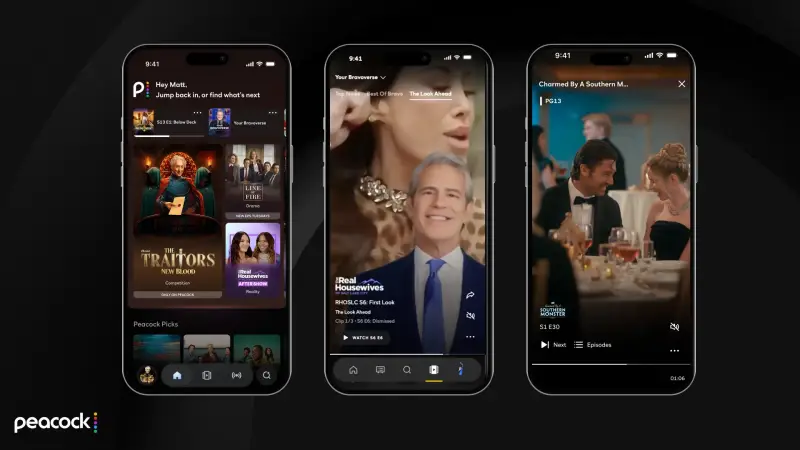
Peacock’s mobile redesign is aimed at a familiar streaming problem: helping viewers find something to watch, then giving them a reason to stay. The planned changes combine franchise-focused browsing, vertical video discovery, live playback that adapts to a phone’s orientation and conversational search. NBCUniversal previewed the updates on November 11, 2026; testing has begun and is expected to continue into early 2027.
The main shift is in how Peacock wants mobile discovery to work. Instead of treating short clips, full episodes and live events as separate destinations, the company is testing ways to connect them around a show, team or franchise. That could make the app more useful for viewers who arrive with a specific interest but not a specific title. The practical test will be whether those connections help people reach something they want to watch with fewer detours.

Browsing organized around franchises
Peacock is testing Franchise Hubs that collect related material in one place. Depending on the franchise, that could include episodes, games, microdramas, live moments, podcasts, clips and other experiences. Named examples include Minions, The Traitors, Love Island USA and One Chicago.

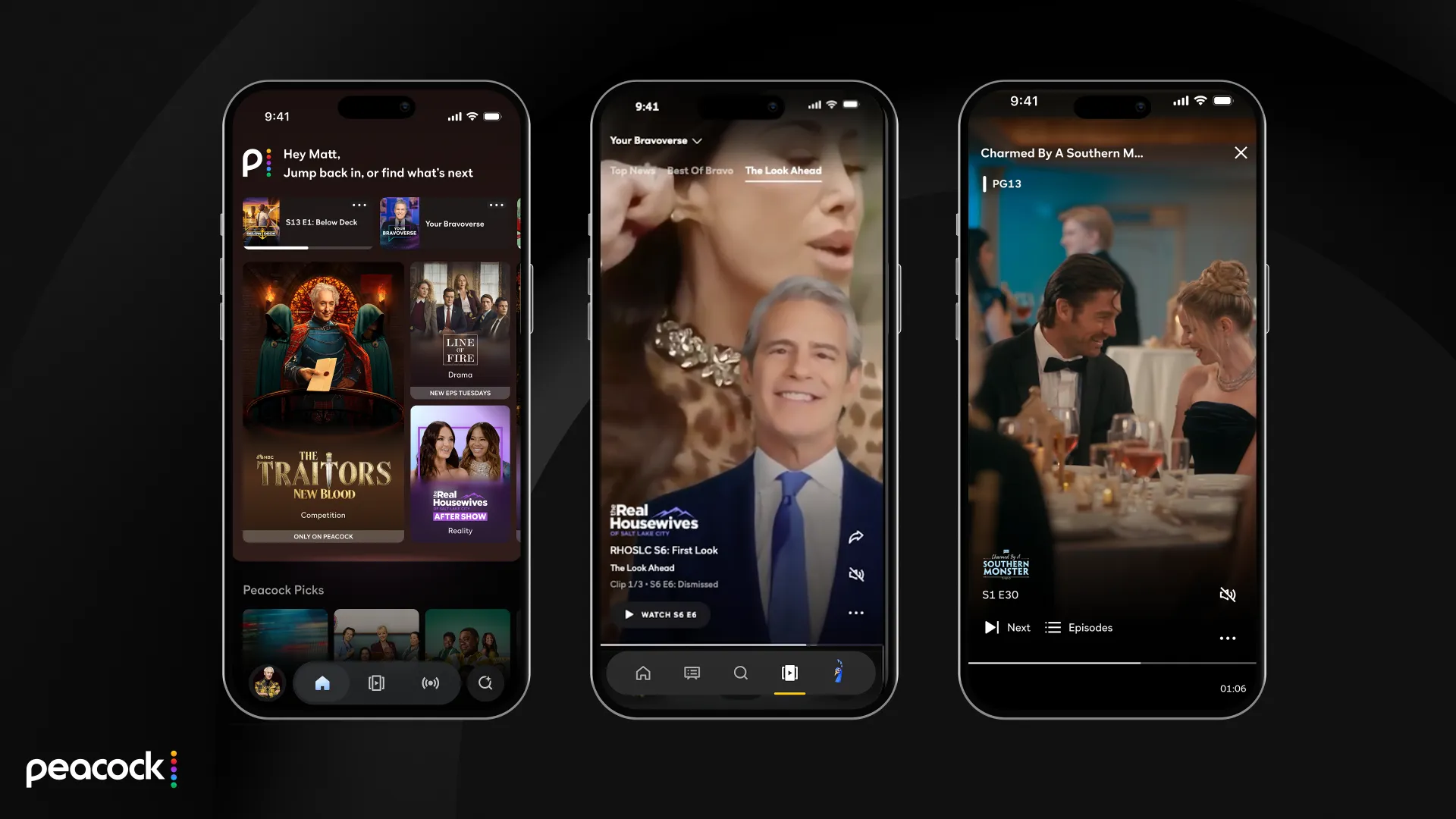
The homepage is also being reworked to balance quick returns with further discovery. A “Jump Back In” row will appear near the top, while formats called Trending Stack and Direct Access are intended to offer different ways to explore. NBCUniversal hasn’t described the detailed ranking logic or how much control viewers will have over those recommendations, so the value of these changes will depend on what appears in practice.

The Clips Feed is meant to connect vertical video with more substantial viewing. It brings short clips together with franchise material such as podcasts and Your Bravoverse, Peacock’s swipeable experience for Bravo fans. The intended path is straightforward: a viewer encounters a clip, explores related material, and can continue to a full episode or another experience. Whether that path feels natural will depend on how clearly the app signals what each clip leads to.

Live video that adjusts to a phone
Peacock plans to extend tests of live vertical video to The Voice live simulcasts, NCAA basketball games and golf, with testing continuing later in 2026 and into early 2027. Those trials will inform a broader Dynamic Video Player. The player is designed to switch between vertical and horizontal playback based on device orientation while keeping the important action in frame.

That approach addresses a real interface tradeoff. A vertical screen is comfortable to hold and leaves room for controls, but many live events are produced for a wider frame. Automatically changing the presentation could reduce the need for viewers to rotate their phones, though the results will depend on whether the crop preserves the context that matters. In a basketball game, for example, keeping a player in view is only useful if viewers can still follow enough of the court to understand the play.

For future NBA games, Peacock says the player will also place player statistics and additional game information below the live feed in a dual-screen layout. That could make a phone a more capable companion for following a game, provided the extra information remains readable without making the video feel cramped. The company hasn’t provided technical details about the player or said how the experience will vary across devices.

Search by mood, theme or follow-up
Peacock is also testing conversational AI search. Viewers will be able to start with a title, mood, theme, similar program or situation, then refine or redirect the request through follow-up messages in a chat. The idea is to help when someone knows the kind of viewing they want but can’t recall a title.

For streaming services, that kind of search is only as useful as its catalog understanding and the relevance of its results. A conversational interface can make it easier to adjust a request, but it also needs to handle ambiguous descriptions without repeatedly sending viewers back to the start. Peacock hasn’t shared details about the system’s underlying technology, how it will explain recommendations, or how search results will distinguish among formats such as clips, episodes and live events.

What the testing will show
The redesign builds on existing Peacock features, including Your Bravoverse, Clips Feed and Performance View. NBCUniversal’s broader aim is to connect its entertainment, live sports, events and news through a more personalized mobile experience. The company’s chief product officer, Jim Denney, described the goal as giving fans more ways to discover and participate in the stories, teams and franchises they follow.
Peacock also has a membership program in beta that is expected to roll out widely in 2027, offering eligible subscribers rewards, benefits and activities tied to movies and shows. That program sits alongside the app changes as another way to encourage ongoing engagement, though the company hasn’t detailed how membership features will appear within the redesigned mobile experience.
For viewers, the redesign’s worth will come down to everyday details: whether returning to a series is quicker, whether clips lead to worthwhile full-length viewing, whether live video stays legible when the phone turns, and whether conversational search finds relevant options without guesswork. Peacock’s tests through early 2027 should clarify which ideas make it into the broader experience and how well they work across different types of content.