Dopagaki: Japan's Slang for Internet Impatience Turns Inward
- Robert Jones
- 390 reads
Japan's "dopagaki" started as a jab at a pop song's relentless pacing. Now young people are using it on themselves, and that tells you something about the content.
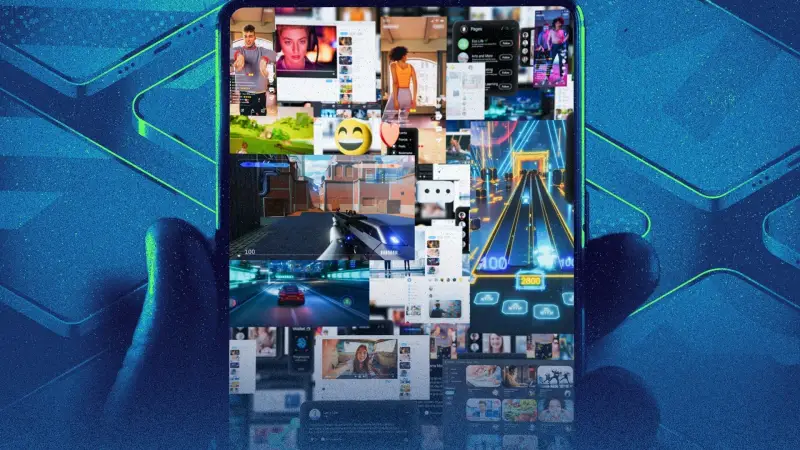
Forty-five minutes on TikTok disappears in no time. Two minutes of a video at normal speed feels like a wait. Most of us have quietly adjusted to an entertainment diet that rewards constant novelty, and we've started to notice it. Japan has a word for that restlessness, and it's more interesting than a simple insult.
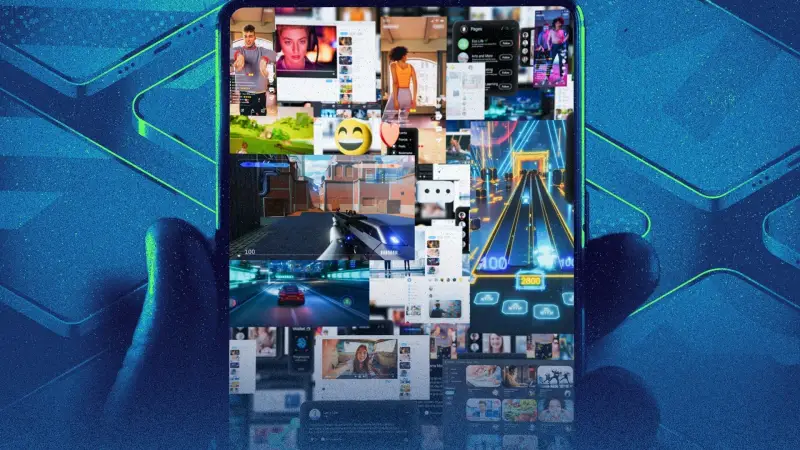
The word is dopagaki. Loosely, it means "dopamine brat." It's a shortening of "dōpamin chūdoku no gaki," or "dopamine-addicted brat," and "gaki" is a dismissive word for a child, closer to "brat" than "kid." That tone matters. The term was never meant as a gentle observation.
Where the word came from
The origin is the part that caught my attention. You'd expect a term like this to come from a viral video or a think piece about smartphone habits. Instead, it started with a song. In December 2024, a Japanese user on X used the phrase "dōpamin chūdoku no gaki" to describe the structure of "Lilac," a track by the rock band Mrs. GREEN APPLE. The point was about pacing. Melodies and energetic transitions arrive one after another, and the listener barely gets to settle into one idea before the next one grabs them.
That's a sharp bit of criticism, and it's aimed at the work itself, not only the people listening. The original post didn't use the shortened "dopagaki." It's unclear when the abbreviation took hold, which is typical of slang that spreads through replies, quote posts, and reposts rather than through any single source.
The musical framing points to something bigger. Entertainment built to deliver a payoff every few seconds is everywhere now. Think of videos that cut shots every few seconds, the growth of microdramas, or creators told to hook viewers in the first three seconds before they swipe. The content is engineered around the attention it expects to lose. Dopagaki describes both the audience's appetite and the product that feeds it.
It's worth being clear about what the word isn't. Dopagaki is not a medical diagnosis, and the dopamine reference is a loose cultural shorthand. Dopamine does matter for motivation, learning, and reward, as the research literature on the topic explains, but enjoying fast, high-stimulation entertainment doesn't mean someone is addicted to it. Treat the word as a mood, not a clinical label.
The turn inward
What makes dopagaki more than a generational dig is how it's being used now. By summer 2026, it had made its way into Japanese youth slang. In June, Joshikosei Lab, a marketing research group focused on teenage girls, listed it among seven trending expressions in a survey of 60 high school girls. The group described it as a humorous, self-deprecating way to acknowledge digital overconsumption, including the habit of watching TikTok while drying your hair or sitting in the bath.
The sample is small, so don't read too much into the exact figures. Still, the direction is clear. Some of the people the insult was built to target are now using it on themselves. Calling someone else a dopamine-addicted brat still sounds condescending, especially when it's used to wave off a whole generation's tastes. Calling yourself one is different. It's a way of owning a habit, with a bit of embarrassment and a lot of recognition.
A later October survey of 94 Japanese high school girls put numbers on that. Sixteen percent named dopagaki as their most-used slang expression of 2026, and another 17 percent said they'd seen it on social media without using it themselves. That's a meaningful slice of recognition for a term that started as a sneer, though it's far from universal.
There's a practical lesson in this for anyone building consumer products. When users adopt a critical label as their own identity, the label has stopped being a complaint and started being a cultural marker. Teams that treat "screen addiction" as a branding problem to be solved with a feature tend to miss that the audience already knows the joke and is partly in on it.
How it compares with "iPad kid" and "brainrot"
American internet culture has its own vocabulary for this. "iPad kid" describes children raised with tablets, a label that, as Know Your Meme documents, took off on TikTok through clips mocking kids who seem oblivious to everything around them. "Brainrot" covers the mindless, absurd content people can't stop watching, and it works as both criticism and affection.
Dopagaki sits between them. Like "iPad kid," it can carry a generational judgment. Like "brainrot," it can be a self-aware admission that your own internet use has gotten out of hand. The key difference is who gets to wear it. An iPad kid is usually someone else's child, held up as a warning. Dopagaki, in its playful form, is a label people choose for themselves.
The habits it describes don't belong to one age group either. Plenty of adults scroll during commercial breaks, check their phones mid-conversation, or watch TV with a second screen in hand. Data from DataReportal's Digital 2027 Global Overview Report, which draws on 2026 research, puts online adults at an average of 19 hours and 18 minutes per week on social media and online video platforms. That's more than two and a half hours a day. It's hard to argue that only teenagers are wired this way.
None of this makes short videos or high-energy music bad. The more useful question is how much of our appetite for constant stimulation is personal habit and how much is shaped by the platforms we use. Social apps are built to keep people watching and scrolling. Creators learn to grab attention fast and hold it, and audiences adapt to expect that next hit is always one swipe away. Behavior shapes content, and content reshapes what we expect from entertainment.
So here's my read: dopagaki will likely outlast its origin in a pop song, mostly because it's a neat way to describe a shared, slightly uncomfortable experience. Watch whether the self-deprecating use spreads beyond small surveys and whether it stays playful or hardens back into a dismissal of younger users. Either way, the word works because it turns a criticism of the audience into a joke that exposes the product too.