500 Popular Programming Tutorials for JavaScript, Python, TypeScript, Docker, and App Development
- Learn Repo
- 807 reads
Explore 500 reader-ranked tutorials covering programming fixes, language features, app development, deployment, and infrastructure tools.

Practical tutorials, from JavaScript basics to infrastructure
The range here is the point: these tutorials cover small programming fixes, app development, deployment, and the tools that connect systems. That makes the collection more useful than a list focused on one language, though reader engagement alone doesn’t tell you how current or thorough any guide is. The 500 posts are ordered by HackerNoon reader engagement data. You can browse the Tutorial tag or look for popular technology topics in the Learn Repo and LearnRepo.com.

Several entries tackle everyday tasks: updating JavaScript object values, reading and writing JSON in Ruby or Python, removing commas from a Python string, and fixing a Python syntax error caused by placing a non-default argument after a default one. Others introduce language features, including functional Python, TypeScript type casting, and TypeScript’s Parameters utility type.

1. How to Update Object Key Values Using Javascript
 JavaScript objects store data as key-value pairs, a structure developers encounter constantly. This guide focuses on changing those values.

2. Ruby: How to read/write JSON File
 A Ruby walkthrough of reading and writing JSON files, including handling the data as a hash.

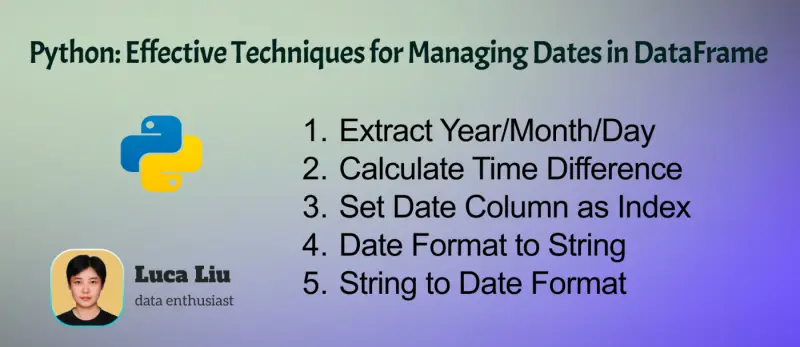
3. Learn Functional Python Syntax in 10 Minutes [Tutorial]
 A short introduction to functional programming in Python, with list comprehensions and other comprehension forms.

4. How to read and write JSON files in Python
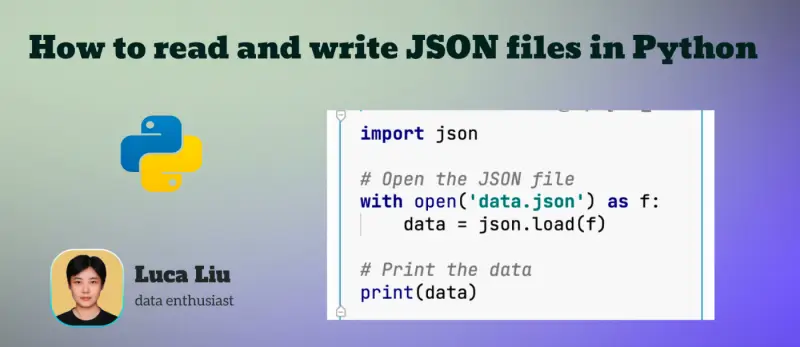 Learn to use Python to read, write, and manipulate JSON files.

5. How to Remove Commas From String Python
 A Python guide to removing commas from strings using several methods.

6. How to Resolve the "SyntaxError: Non-Default Argument Follows Default Argument" Error in Python
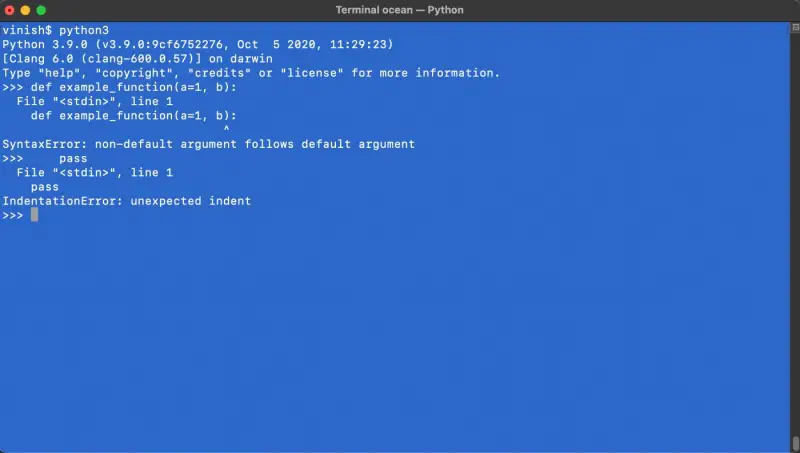 This tutorial explains the Python error raised when a required argument follows one with a default value, and how to fix it.
7. How to Use Type Casting in Typescript
 TypeScript uses the
as keyword for type assertions. This guide shows how casting works.

8. A Guide on How TypeScript Parameters Type Works
 The TypeScript
Parameters utility type extracts a function’s argument types and forms a new type from them.

Building and deploying apps
The collection also moves from local code to working applications: deploying Node.js behind Nginx, combining Python with Redis and Nginx in Docker, building a music app in React Native, and making a Chrome extension with React. These are practical projects, but the short descriptions don’t establish how much setup or prior experience each one assumes.

9. A Tutorial to Deploy the Node.Js App to Nginx Server
 A step-by-step guide to putting a Node.js application on a server with Nginx.

10. Docker Tutorial — Getting Started with Python, Redis, and Nginx.
 An introduction to running Docker containers locally, using Python alongside Redis and Nginx. The examples assume familiarity with the basics of those technologies and include shell commands, so have a terminal ready.
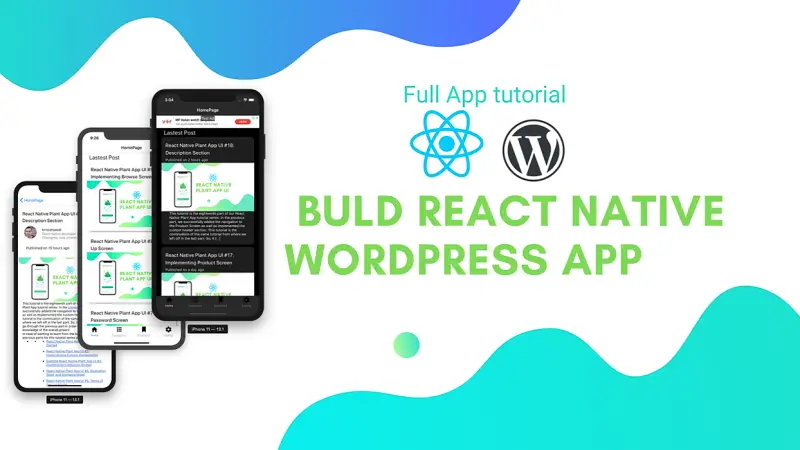
11. Building a Music Streaming App using React Native
 React Native combines React and JavaScript to build native apps. This project walks through a music streaming app similar to Spotify, using the same codebase for iOS and Android without WebViews.

12. How to Create a Chrome Extension with React
 The guide covers building a React single-page app as a Chrome extension, with topics including Manifest V3, the Web Extension API, service workers, TypeScript, and Create React App.

13. Implement a Dynamic Breadcrumb in React/NextJS
 A guide to implementing breadcrumbs that change dynamically in a React or Next.js application.
14. How to Use Bulma And VueJS Together
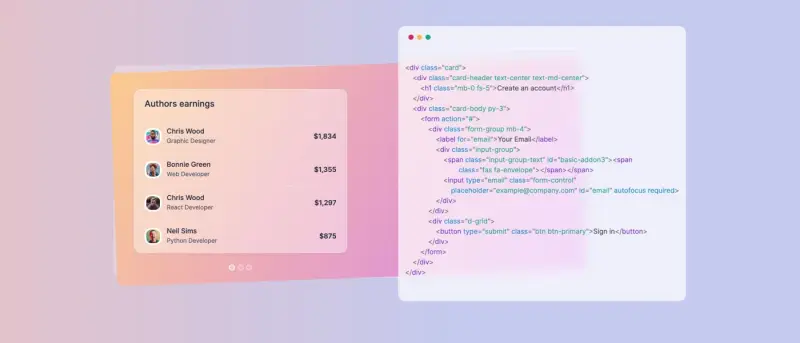
 Bulma is a free, open-source CSS framework built around Flexbox. Its class names and grid system are presented as easy to learn; the framework is less widely used than Bootstrap, but has its own following.
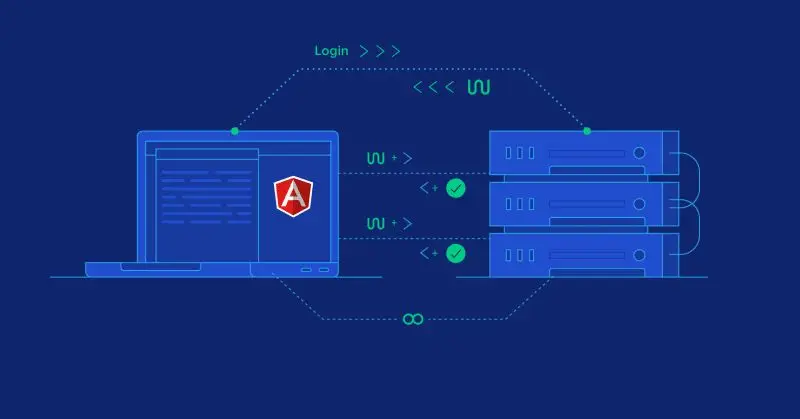
15. Creating and validating a reactive form to an Angular application
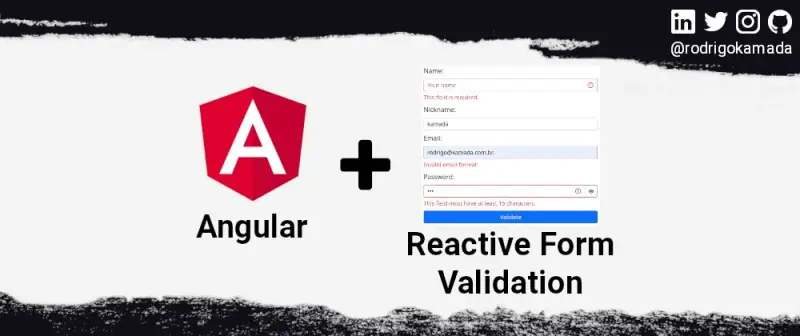 An example of creating and validating a reactive form in Angular 14.
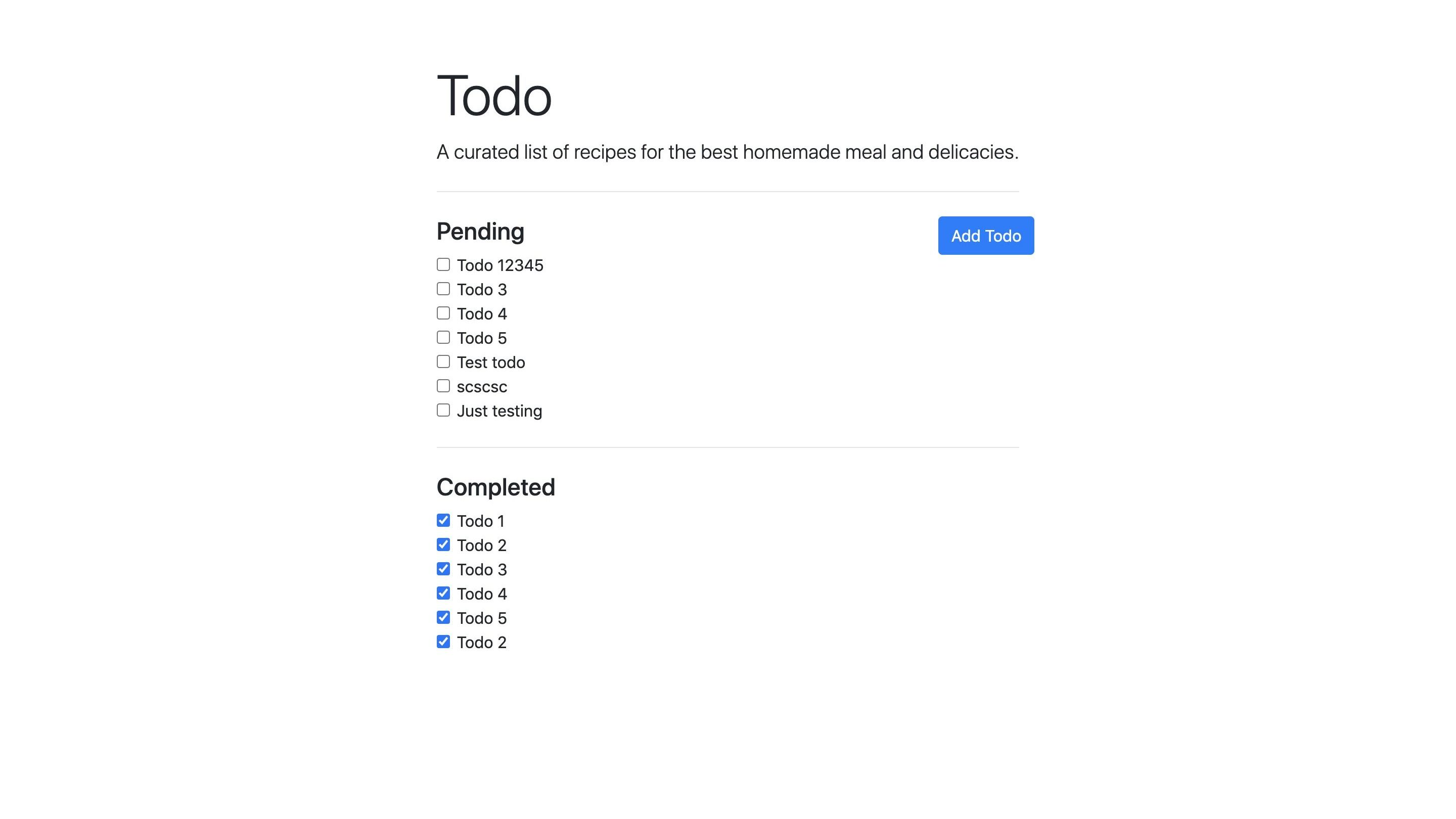
16. Handling Loading Actions: The Proper Way in Redux
 The central recommendation: keep UI logic out of Redux reducers and handle it in a separate reducer.

17. How to Combine .NET Core and Python for Seamless Integration
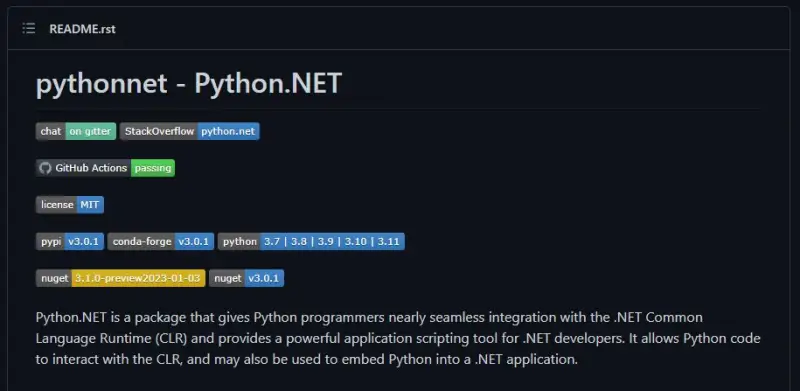 This guide shows how to call Python from a C# .NET Core application, using an approach described as more modern than the author’s earlier Pythonnet examples.

18. Micro-Frontends: Using TypeScript's Ambient Modules
 A look at sharing imports across micro-frontends with TypeScript ambient modules and single-spa.

19. How to Use Google Sheets API with Nodejs
 The use case is a private Google Sheets spreadsheet that a local batch job or server-side process needs to read or modify. The walkthrough describes handling authentication from a Node.js application, while acknowledging that other approaches may exist.

20. 4 Notion + Zapier Integrations You Can Implement Today
 The piece explores four Notion and Zapier integrations in the context of Notion’s official API not yet being available at the time described.
21. How to Create a Solar System in JavaScript With Three.js 🌌
 Follow a guide to make a solar system using JavaScript and Three.js.
Infrastructure, APIs, and blockchain
Some tutorials focus on the systems behind applications: Docker image identifiers, Kafka in a local Docker environment, Prometheus metrics for autoscaling, and webhook event handling. The blockchain entries span Ethereum development tools, a Bitcoin full node on Linux, smart contracts on RSK testnet, and building infrastructure with Rust and Substrate.
22. Docker Images: Name Vs. Tag Vs. Digest
 A brief explanation of Docker image names, tags, and digests, including their role when pulling images.

23. Setting up Kafka on Docker for Local Development
 A local-development setup for Kafka in Docker. Kafka is a useful technology for developers and data engineers to learn.

24. How To Use Prometheus Adapter to Autoscale Custom Metrics Deployments
 A tutorial introducing autoscaling deployments with custom metrics through the Prometheus Adapter.
25. How to Listen for Webhooks Using Python
 Webhooks let services send event notifications to an application, which can then respond. They’re also known as callbacks or reverse APIs; SendGrid, Stripe, Slack, and GitHub are among the services that use them.

26. Ethereum Development Walkthrough (Part 2: Truffle, Ganache, Geth and Mist)
 The second installment moves from explaining smart contracts to deploying one on two kinds of test networks, with Truffle, Ganache, Geth, and Mist in the toolkit. The first part is available here.

27. How To Use Remix and Metamask To Deploy Smart Contracts On The RSK Testnet
 A step-by-step walkthrough of using Remix and MetaMask, tools originally built for Ethereum, to create and deploy a simple smart contract on the RSK testnet.
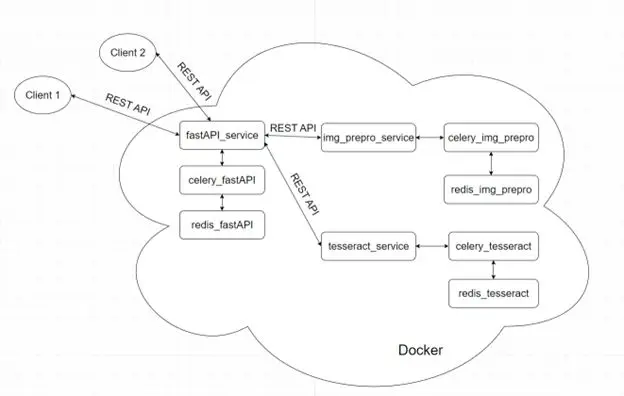
28. A complete beginners guide to installing a Bitcoin Full Node on Linux (2018 Edition)
 A beginner’s installation guide prompted by setting up a new SSD, so the author could avoid pruning on a laptop. The guide is labeled as a 2018 edition.

29. Building A Blockchain in Rust & Substrate: [A Step-by-Step Guide for Developers]
 A beginner-oriented walkthrough of building blockchain infrastructure with Substrate, an open-source framework, and Rust.

Tools, learning, and smaller fixes
Not every entry is a conventional programming lesson. There are guides to shell customization, Windows SSD performance, a Nintendo Switch island-transfer error, and a beginner-friendly Rubik’s Cube method. The spread reflects what people look for when they need to solve a specific problem, though some descriptions offer little detail beyond the subject.
30. Customize Oh My Zsh with Syntax Highlighting and Auto-Suggestions
 A guide to personalizing Oh My Zsh with syntax highlighting and command suggestions. A more comfortable terminal setup can reduce friction for developers who spend much of their working day in the shell.

31. Apple M1 Chip: How To Install Homebrew Using Rosetta
 Instructions for setting up Homebrew on an Apple M1 chip using Rosetta.

32. Windows 11 Running Slow? Here's How to Improve SSD Performance
 SSDs are built for speed, but they can still slow down. This guide collects ways to improve SSD performance on a sluggish Windows 11 machine.

33. ACNH Island Transfer Tool: Communication Error
 Troubleshooting steps for the Animal Crossing: New Horizons Island Transfer Tool communication error, including cases where the advice on Nintendo’s official forums doesn’t help.

34. A Very Easy Rubik’s Cube Solution
 A memorable method aimed at beginners and people teaching friends or family. It isn’t designed for speedcubing.

35. Let's Build a Linux Shell [Part I]
 The Unix shell began with a limited set of features, including input and output redirection and command pipelines. Later shells added word expansion, history substitution, loops, and conditional expressions. This first installment starts a project to build a Linux shell.

36. Understanding CORS: Why It's Important and How it Works
 An introduction to cross-origin resource sharing (CORS), how it works, and why it matters.

37. Top Python Resources for Beginners
 A collection of recommended Python learning resources for people at different experience levels, with a focus on beginners and developers who know the basics but aren’t yet advanced.
38. Intermediate Python Refresher: Tutorial, Project Ideas, and Tips
 A refresher on Python concepts that beginners and developers may not encounter in their first lessons.

39. Top Python Resources for Beginners
A set of suggested Python resources for learners across skill levels, especially those still building their foundation or moving beyond the basics.

40. How to Set Default Value of Props in Vue?
 Vue component props sometimes need defaults to prevent errors when values aren’t supplied. This guide explains how to set them.

41. OpenAPI 3.0 Schema with Swagger UI for Django RESTful App
 A walkthrough of using drf-spectacular to generate Django application documentation in line with OpenAPI Specification 3.0. The author found the process harder than expected.

42. How To Build Chatbot Project Using Python
 A Python chatbot project framed around customer support. The description cites Facebook data showing more than 2 billion monthly messages between people and companies, and HubSpot research reporting that 71% of people want customer support through messaging apps.

43. Yet Another Lightning Hydra Template for ML Experiments
 A flexible template built with PyTorch Lightning and Hydra for organizing and reproducing machine learning experiments.

44. Creating a Discord Bot That Automates Secret Messages With Node.js
 A Node.js Discord bot project that sends encrypted messages and alerts civilians to a dangerous situation so they can escape.

45. How to Clear the 301/302 Redirection Cache
A practical guide to clearing cached 301 and 302 redirects.

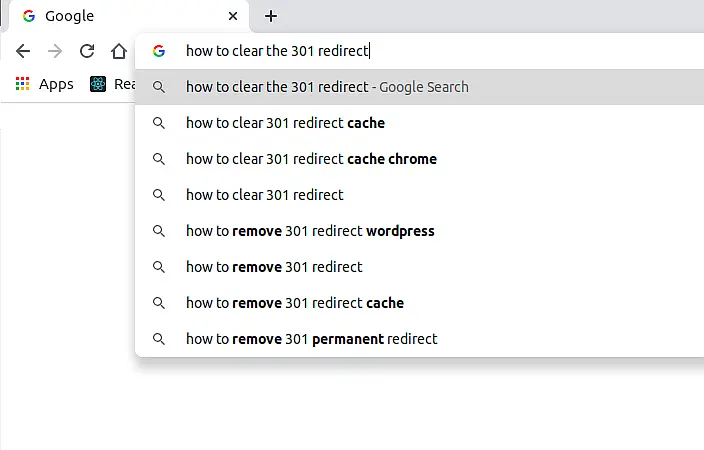 Web developers and server administrators often run into cached 301 redirects. They can be stubborn to clear, and I learned that lesson the hard way. It’s a small operational headache with a useful reminder: understand how browsers and servers cache redirects before you rely on a quick fix.
This stretch of the list moves between practical infrastructure and focused programming guides. A Go service for sending Firebase Cloud Messaging pushes at scale sits alongside a command-line chat room built in Python and a CSS guide about organizing styles and naming conventions. There’s also a collection of 50-plus Python projects, each built in 10 lines of code, and a Python walkthrough of AES-256 encryption for data that the same person will encrypt and decrypt.
Infrastructure, automation, and data
46. How to Send Millions of Push Notifications with Go and Firebase Cloud Messaging
A Go service dispatches push notifications through Firebase Cloud Messaging.
47. Creating Command-line Based Chat Room using Python
A straightforward Python chat room that runs from the command line.
48. Best Practice in CSS: Organisation and Naming Conventions
After more than three years of coding, the writer turns to the habits that make code easier to read, understand, maintain, and hand off to other developers.

49. 50 + Python Projects (10 Lines of Code)
An IBM employee presents a range of Python projects, each written in 10 lines of code.

50. How to Use AES-256 Cipher: Python Cryptography Examples
The guide shows how to encrypt text in Python with a password or private key. AES-256 is a symmetric cipher, so the same person or system that encrypts the data typically decrypts it later, as with a password manager.

The infrastructure topics get more hands-on from there: local MySQL master–slave replication in Docker, a MariaDB server running on a Raspberry Pi 4 Model B with 8 GB of RAM and reachable over Wi-Fi or Ethernet, and VPN setup automated with Ansible and WireGuard. Other guides cover deployment over SSH with Python Fabric through GitLab CI, Dockerizing NestJS with Prisma in five steps, and using Docker Bake to simplify builds for a monorepo.

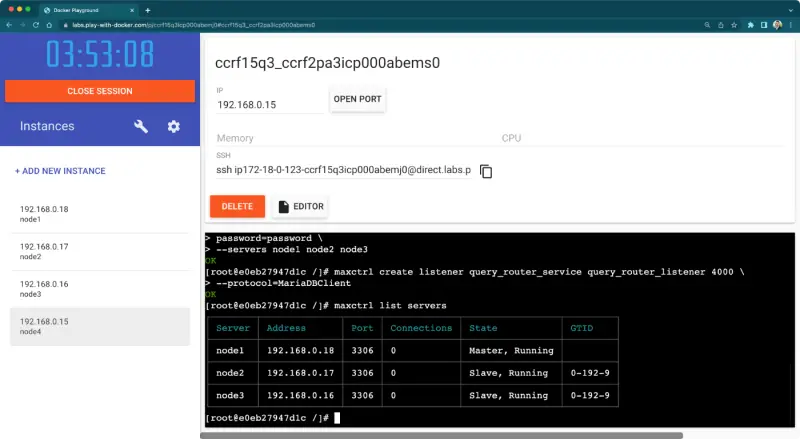
53. MySQL Master-Slave Replication using Docker
A practical account of configuring MySQL replication locally with Docker.

63. Deployment Automation via SSH With Python Fabric: How It Works
The walkthrough deploys a basic project to a remote server over SSH, using Python Fabric and GitLab CI.

64. 5 Steps for Dockerizing NestJs With Prisma
A five-step guide to packaging a NestJS application with Prisma in Docker.

85. How to Automate Your VPN Setup With Ansible
WireGuard examples show how Ansible can configure a VPN, relay traffic, and help keep a server available.

58. Setting Up a Dedicated Database Server on Raspberry Pi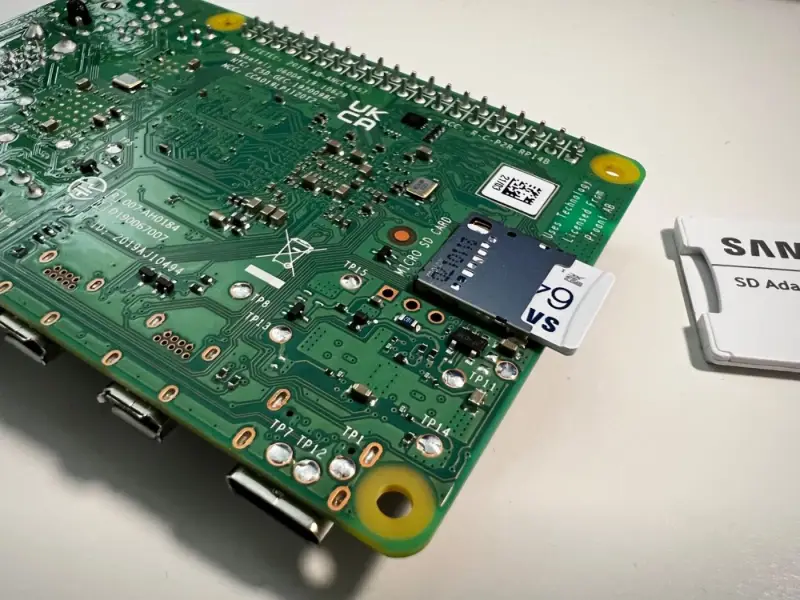
Set up MariaDB on a Raspberry Pi 4 Model B with 8 GB of RAM, then connect to it over a local network using Wi-Fi or Ethernet.
Frameworks, interfaces, and programming patterns
For front-end developers, the selection spans several frameworks and levels of detail. Angular 16 offers a route information approach through @Input; Next.js 13 gets guides to parallel routes and building a simple blog; and SvelteKit has a getting-started tutorial. React topics include a headless UI date picker, project structure, typed context, and a shopping cart using Zustand and TypeScript, with state persisted in localStorage. Vue gets a custom, CSS-styled select component and a guide to emitting events with $emit.

51. Angular 16: A New Way to Get Route Information in Angular
Angular 16 introduces a way to access route information through @Input, with the goal of reducing code and smoothing development.
52. Next.Js 13 Parallel Routes: A Comprehensive Guide
A guide to parallel routes in Next.js 13.
57. The Headless-UI Date Picker for React Apps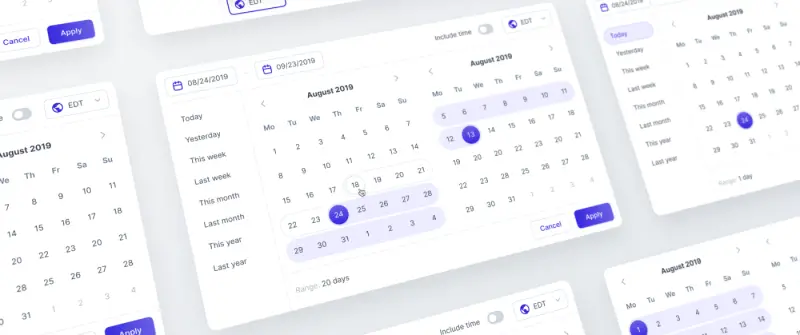
A look at a headless UI date picker for React, in a community with a growing set of tools and libraries.

60. How to Build a Shopping Cart with Next.js and Zustand: State Management with TypeScript
A practical example of managing shared React state with Zustand and TypeScript, including persistence in localStorage.

61. Build a Chat Room With Socket.io and Express
Build an anonymous chat app that pairs people in separate rooms.

62. The Anatomy of an API Gateway in Golang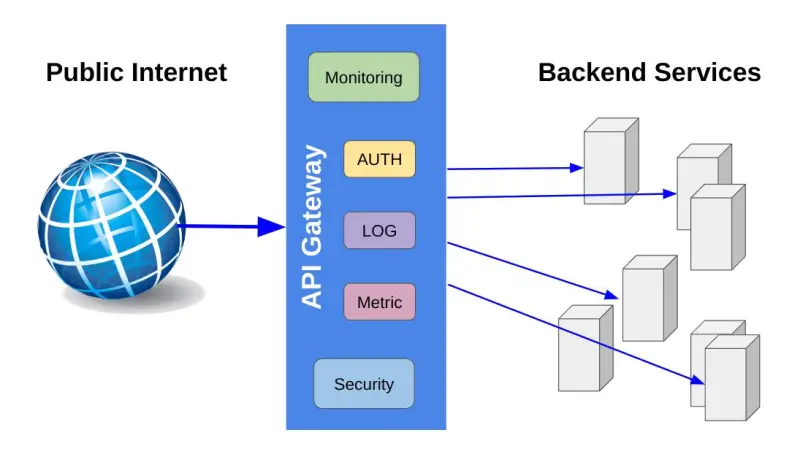
A build-your-own API gateway project in Go.

68. Creating Context in ReactJS Using TypeScript
Use TypeScript to enforce types in React context shared across components or custom hooks.

86. Server-Side Rendering in Angular
Angular’s server-side rendering technology is called Angular Universal in the Angular documentation.

87. React Project Structure: Best Practices
A proposed approach to organizing React applications that can scale across projects and frameworks.

88. How I Cloned a Simple VSCode Using Tauri and ReactJS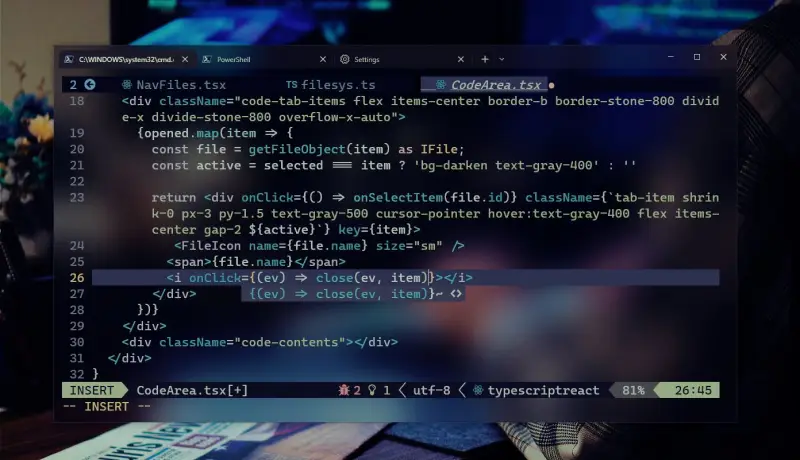
A simple VS Code-like editor built with Tauri and React.

90. Learn How to Emit Custom Events in Vue With $emit
Vue’s $emit sends data upward and triggers an event in a parent component.

92. Singleton Pattern in ES6: The Good, The Bad, The Ugly
A look at the JavaScript singleton pattern, its possible uses, and reasons to avoid it.

94. Building a Simple Session Based Authentication using Ruby on Rails
A beginner-focused walkthrough of session-based authentication in Rails.

Tools, tutorials, and focused problem solving
The remaining picks are deliberately varied: browser scraping with Python and BeautifulSoup against Amazon listings, Node.js scraping of Google results, and scraping sites that require session-cookie authentication. There are also compact references for Make’s .PHONY, JavaScript spread and rest operators, TypeScript’s Omit utility type, and 12 VS Code shortcuts. These are the kinds of guides that answer a narrow question quickly, though the short descriptions don’t reveal how deeply each one treats the subject.

54. 🎨 Export a .svg file using Canva ⚛️
Export SVG files from Canva Pro by choosing SVG in the format dropdown.
55. NLP Tutorial: Creating Question Answering System using BERT + SQuAD on Colab TPU
Google Research’s open-source, pre-trained BERT models became popular among NLP practitioners. The guide explores a question-answering system with BERT and SQuAD on Colab TPU; BERT is also used for tasks such as language classification, next-word prediction, and tokenization.

56. What Does .PHONY Do in a Makefile?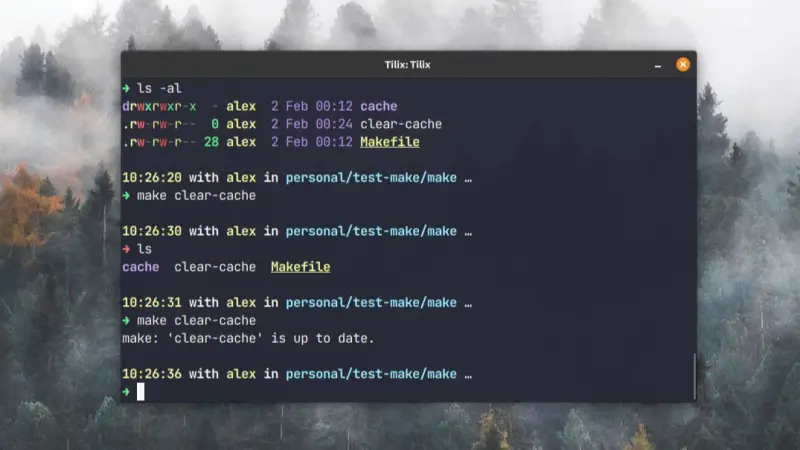
A focused explanation of what .PHONY means in a Makefile.

59. How To Scrap Product Information With Python & BeautifulSoup Module From Amazon Listings [Tutorial]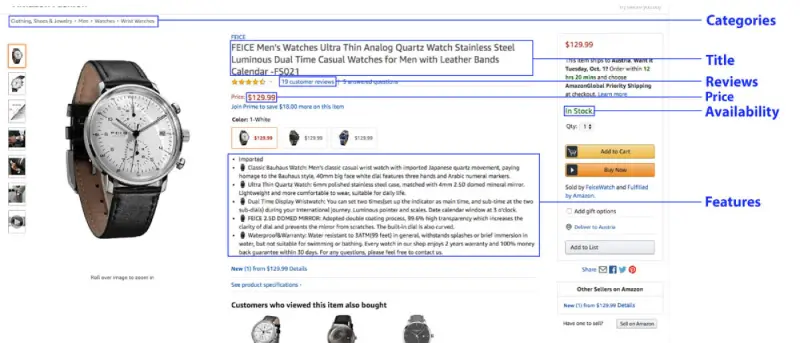
A tutorial on extracting product information from Amazon listings with Python and BeautifulSoup.

65. Web Scraping Sites With Session Cookie Authentication Using NodeJS Request
Session-cookie authentication adds a practical wrinkle to scraping; the guide uses Node.js Request and notes the low barrier to entry for scraping work.

66. Java Program to Check for Right Angled Triangle
A small Java program checks whether a triangle has a right angle.

67. The Best Way to Avoid E-mail Spam
Email providers filter much of the spam, but this guide proposes a simple way to avoid it altogether.

69. 12 Visual Studio Code Shortcuts For Faster Coding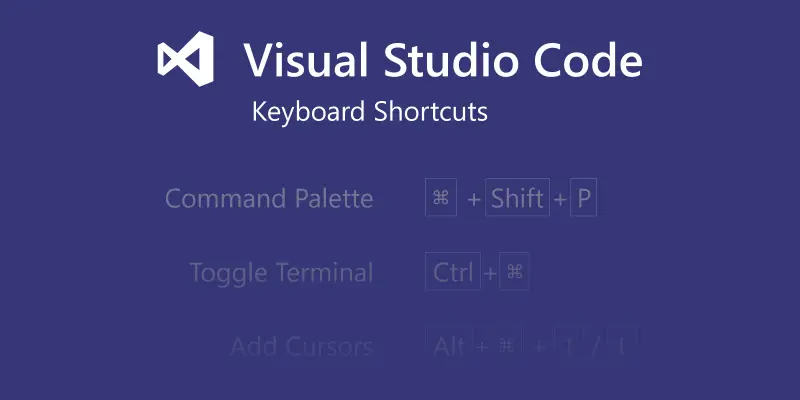
Twelve VS Code shortcuts that can speed up everyday coding, beyond the extensions and tools developers often focus on.

70. Scraping Google Search Results With Node JS
A Node.js tutorial using scraping and parsing libraries to collect Google search results.
71. Handling Job Failures in Quartz with Retries
Quartz job retries use an exponential random backoff policy to determine when another attempt should run.

72. JavaScript Spread and Rest Operators: A Guide
A guide to JavaScript’s spread and rest operators.

73. 9 Step Solution to Escape Tutorial Hell Permanently
Nine proposed steps for beginners who feel stuck in a cycle of tutorials.
74. How to Set Up Firebase Authentication with React
Configure Firebase email-and-password authentication in a React app with React Router.
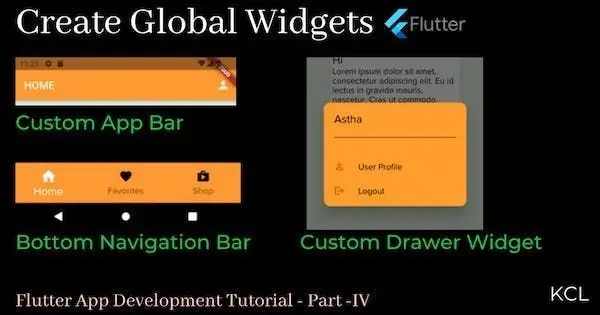
75. Running Chromecast on Microsoft Surface
A how-to guide for using Chromecast with a Microsoft Surface laptop.

76. Node.js Tutorial: How to Build a Video Streaming Application in 10 Minutes
A quick Node.js video-streaming application build, presented as a 10-minute tutorial.

77. C++ Template: A Quick Review of C++11/14/17/20 Version
A review of C++ templates across C++11, 14, 17, and 20, aimed at newcomers as well as experienced developers, including readers coming from C. The writer describes templates as a lengthy and challenging topic that calls for a different mindset from C.

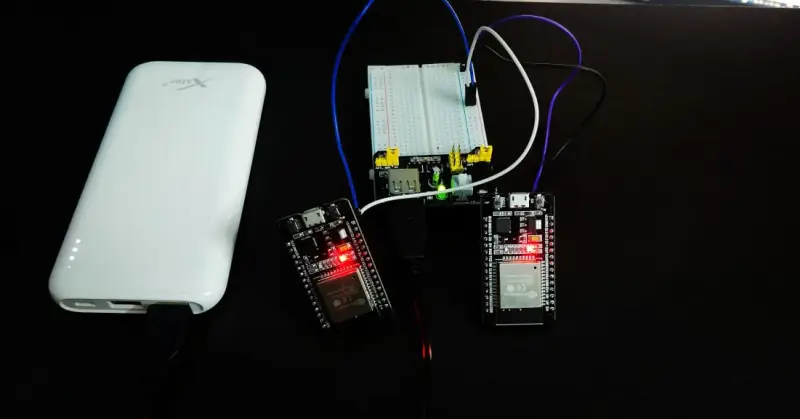
78. Integrate Your Telegram Bot With Real World via ESP32/ESP8266 Arduino Microcontroller
An Arduino Telegram bot controls access to an office gaming room: a servo motor locks and unlocks the door.
79. Using OBS Macros to Automate Your Processes for Streaming
Create OBS macros for starting a stream, playing an intro video, and ending a stream.

80. How to Compile C/C++ Code in VS Code (Windows)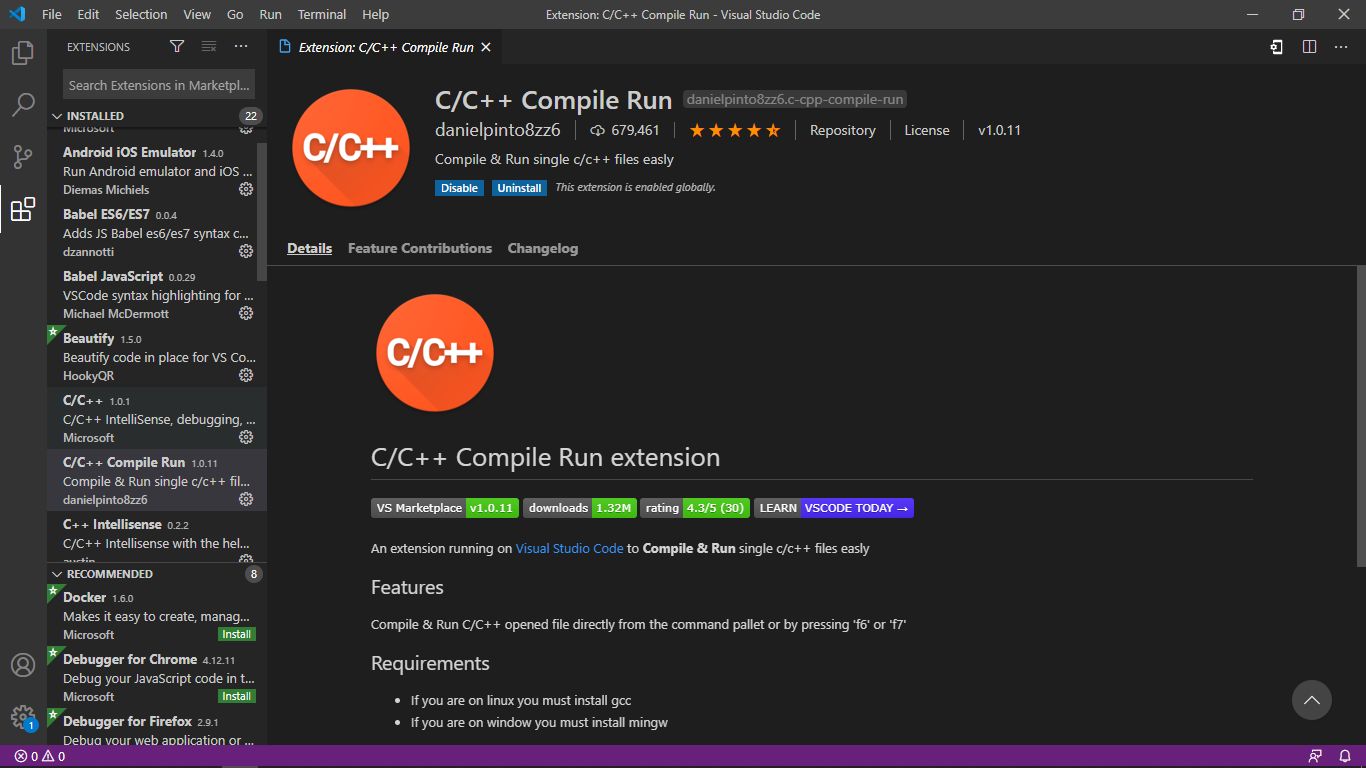
A Windows setup guide for compiling C and C++ in VS Code with GCC or G++; the description points out that Windows does not include a terminal.
81. Making a Custom Select Component in Vue.js [A How-To Guide]
Because native select elements can be difficult to style, this guide builds a Vue component from styled divs and custom JavaScript, with fully custom CSS.

82. TypeScript's Omit Type Explained
TypeScript’s Omit utility type removes selected properties from an existing type to create a new one.

83. A Step-by-Step Guide to Building a Simple Next.js 13 Blog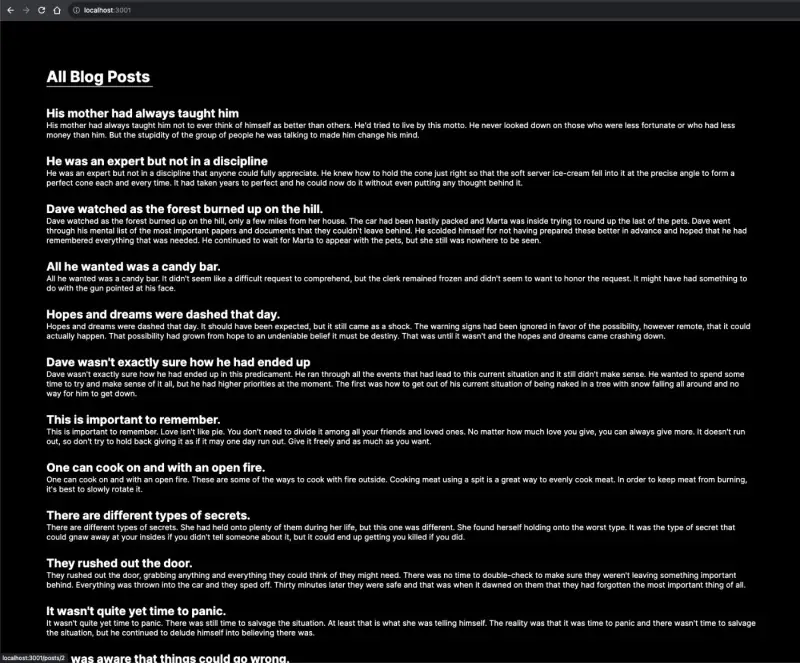
A step-by-step build of a basic blog with Next.js 13.

84. Getting Started Building a Svelte App with SvelteKit

89. Building a New Tab Chrome Extension with Zero Dependencies
Build a dependency-free Chrome new-tab extension powered by an API; the Tech Stories Tab extension is offered as a reference.
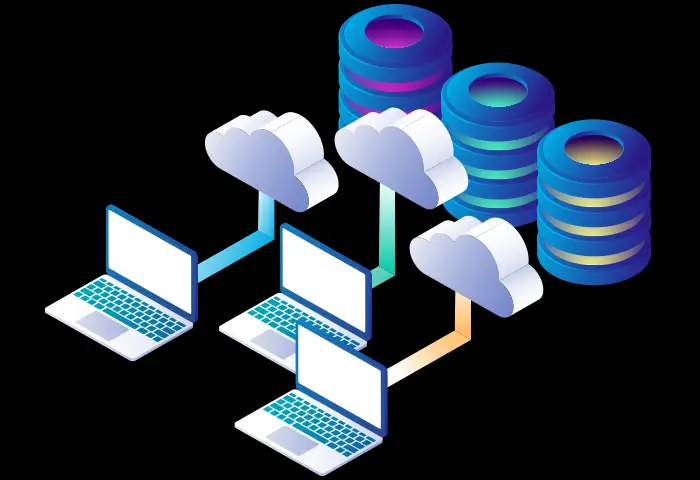
91. One Dockerfile is All it Takes: How I Fell in Love With Bake
A case for Docker Bake as a simple way to build Docker images in a monorepo.

93. The Ultimate Jetpack Compose Cheat Sheet
A roadmap for learning Jetpack Compose, rather than an attempt to teach the whole toolkit in one sitting.
95. Move All Negative Elements To End
A problem-solving guide that presents two ways to move negative elements to the end of a list.

Small components, practical fixes, and a lot of working code
That breadth is useful, though the real test for any chart library is whether its defaults make data easier to read.


Some entries focus on developer workflow and project documentation. Magidoc generates GraphQL documentation, while a guide to automatically correcting code speaks to the steady stream of conventions and rules that can overwhelm people learning web development.




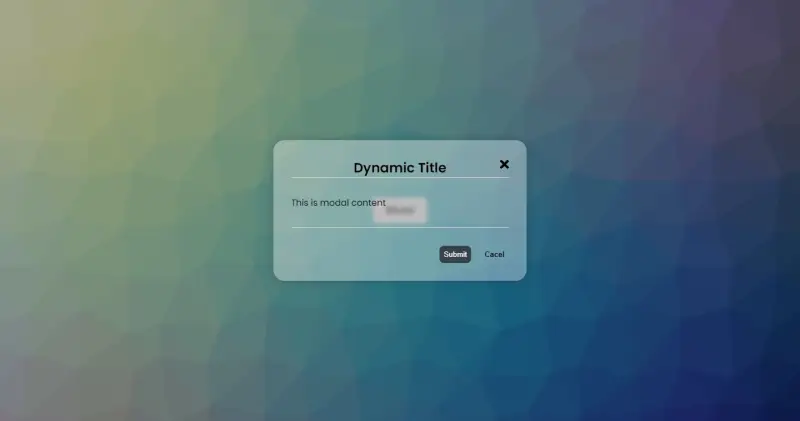
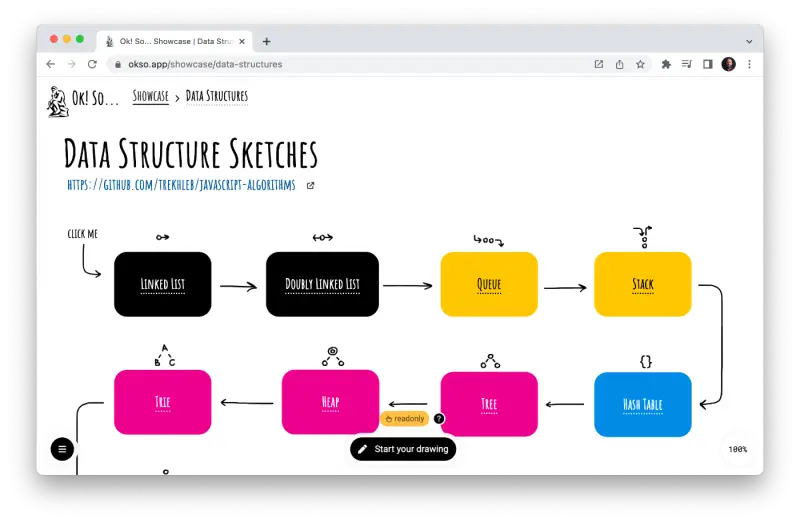
For people learning by building, the selection ranges from a small language that compiles to JavaScript using PEG.js to Instagram-style image filters made with HTML and JavaScript matrix operations. There are also guides to Unity development for Oculus Quest 2, a reusable React modal built with hooks and portals, and a NestJS command-line app using Commander.




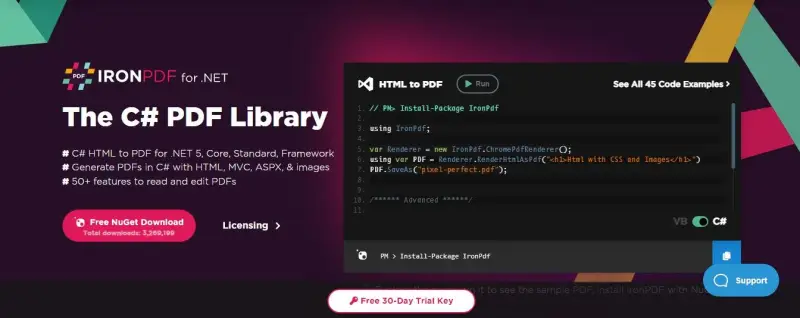
There’s plenty of hands-on backend work here, too: HTML-to-PDF conversion with IronPDF in .NET, file uploads with Astro, Express, and Multer, deploying Node.js to AWS Lambda, and passwordless email authentication with JWT. Other tutorials tackle a Django range filter, a PostgreSQL test-data workflow without an ORM, and an in-memory database in Go.







Several pieces address the connective tissue of applications: internationalized routing in Next.js with react-intl, Facebook sign-in with Devise and OmniAuth in Rails, ways to represent global maps and slices in Go despite their not being constants, and scheduling Python scripts on macOS with crontab. Another explains image caching in Expo’s managed React Native workflow, where caching support differs from iOS’s built-in behavior.





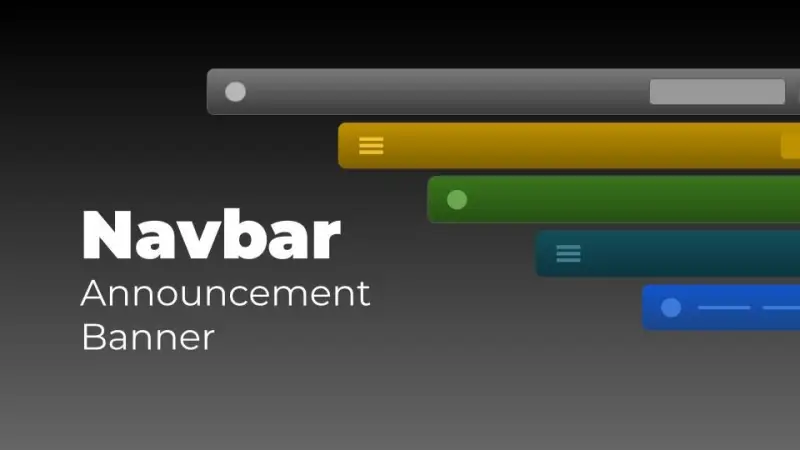
Integration and UI topics fill out the list: calling microservices in parallel and combining feature results, component communication in Svelte 3 through callbacks or event dispatchers, adding an announcement banner to a React navbar, and adding authentication to a full-stack MERN app. The practical details continue with detecting and removing emoji in Go after emoji caused trouble in a MySQL table using UTF-8 encoding, and improving image delivery with a CDN, caching, and imgproxy.







From maps and hardware to the command line
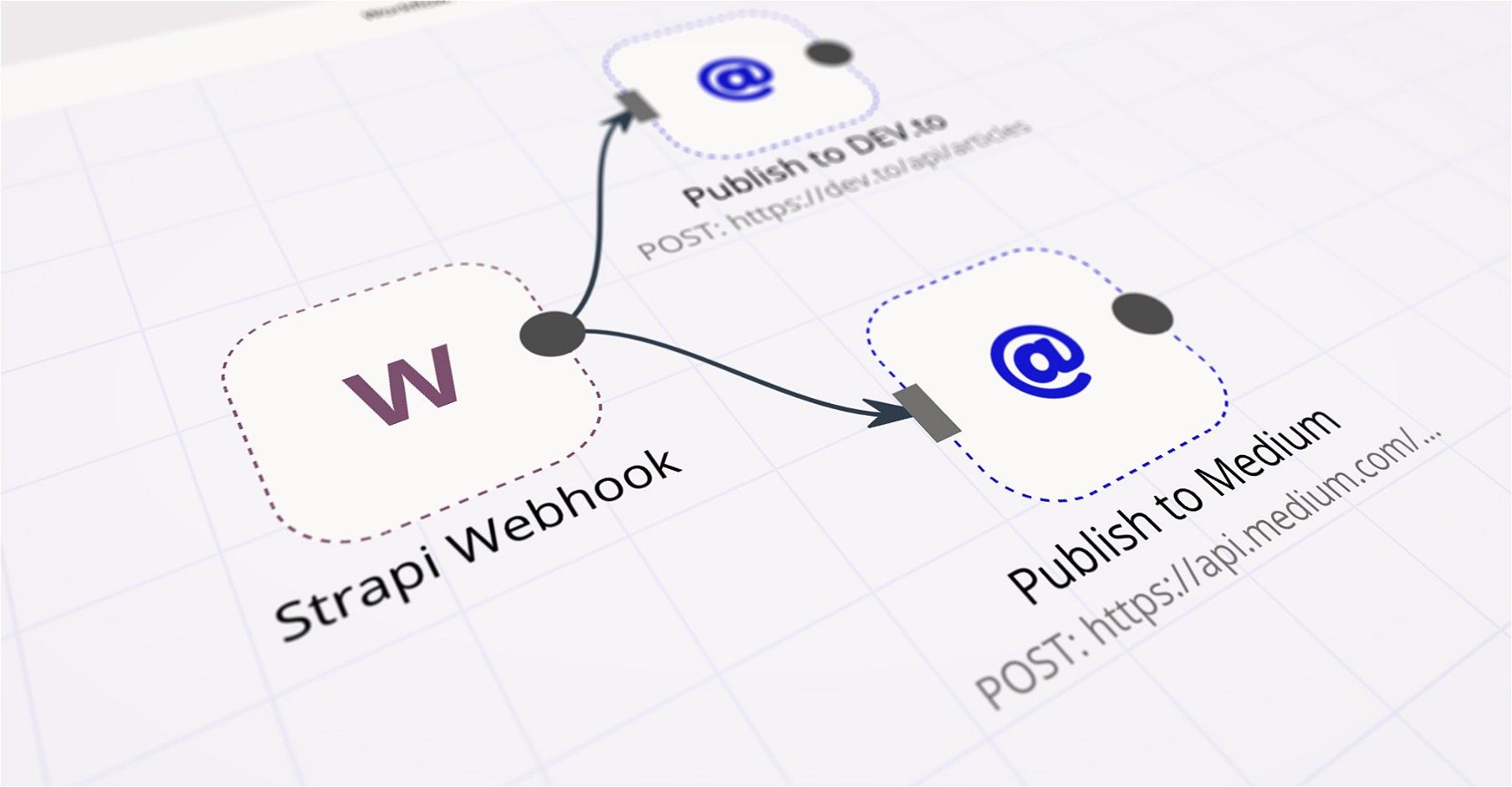
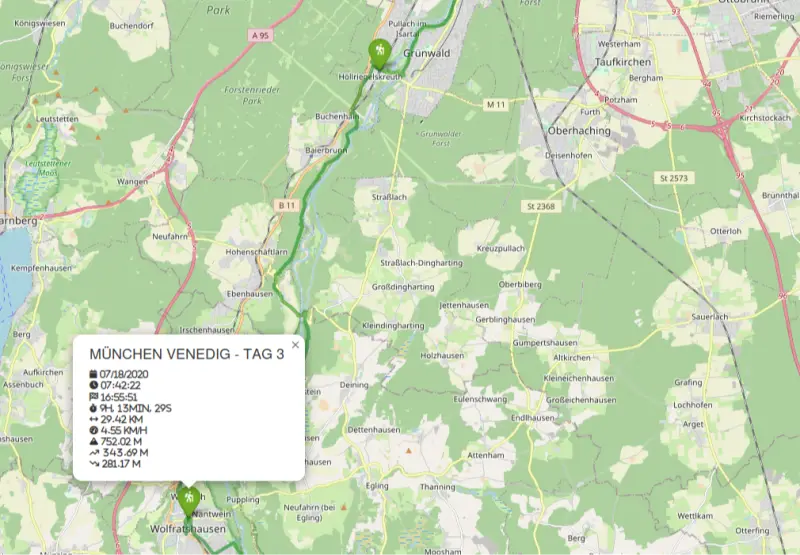
The more specialized tutorials are often the ones that solve the most concrete problems. Python and Folium can turn GPX files into interactive maps; another guide offers a temporary fix for a broken RJ45 locking tab. You’ll also find a Node.js webhook connection to IFTTT and Twitter, a Python tutorial for scraping a Medium publication, and the next installment in a Linux shell-building series.






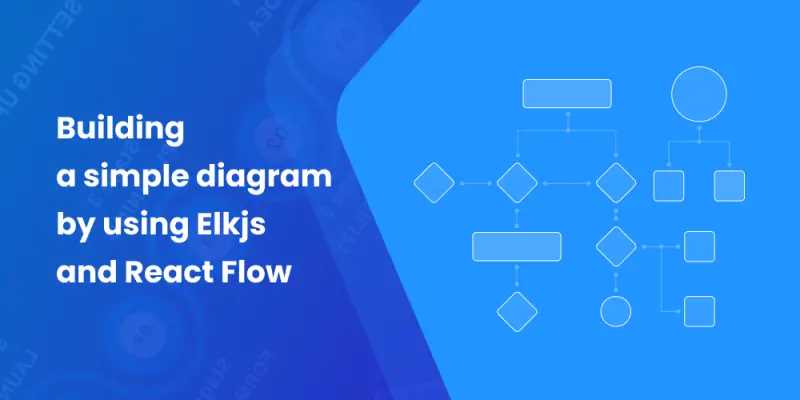
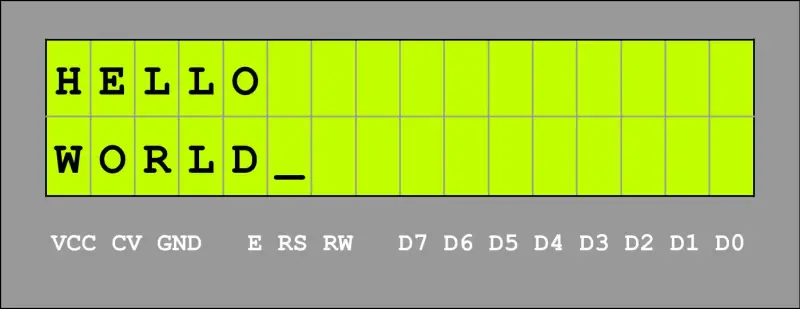
Mobile and interface work spans retrieving URLs from Android Custom Tabs, building a Chrome extension that calls APIs, extracting keys or values from Rails hashes before sending records to an external MariaDB server, and creating diagrams with Elkjs and React Flow. There’s even a hardware detour: connecting an 8051 microcontroller to a 16×2 LCD using Assembly.

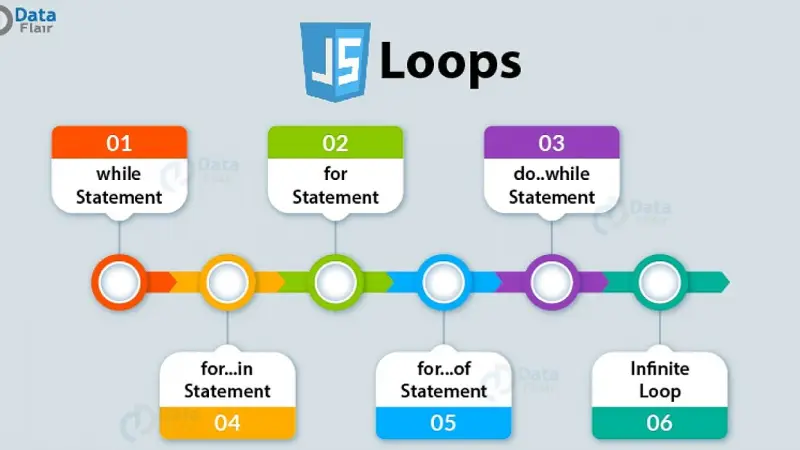
Foundational language concepts round things out. A Ruby primer explains that Ruby has no Boolean data type, despite methods and values commonly being discussed in Boolean terms. Other guides cover optional TypeScript parameters, drag-and-drop image ordering in React on desktop and mobile, recursion for traversing JSON and filesystems, and JavaScript array iteration methods. A React to-do app built with TypeScript and Vite ties state, props, and data flow into a complete exercise. The OpenAI API also gets a beginner’s introduction through JavaScript installation steps and code examples, while another guide shows Consul as a host resolver for gRPC amid a documentation gap, and Traefik as a Docker reverse proxy for proxying sites and APIs, obtaining certificates, and adding middleware through YAML.






The common thread is utility. These are focused guides for people trying to get a specific feature, integration, or concept working, from a chart in a mobile app to a shell prompt or LCD display. If you’re choosing what to read, start with the problem in front of you; the value here is in the breadth of small, actionable builds.