45 Popular Twitter Guides and Stories on Bots, APIs, Platform Rules, and Ownership
- Learn Repo
- 800 reads
Explore 45 reader favorites on building Twitter bots, using its APIs, growing an audience, and the platform’s rules and future.
That mix shows up across these 45 reader favorites, which range from coding guides to commentary on Elon Musk’s takeover and the platform’s future.

The selection comes from a larger collection of 324 free posts, ranked by HackerNoon reader engagement. The Twitter collection sits within a broader Learn Repo and LearnRepo.com, which catalogue popular writing about technology.

How people build and use Twitter
A Node.js bot tutorial shows how to retweet, like posts and reply to users based on hashtags. Its author describes a bot that tracked topics including #Nodejs, #MongoDB, #AngularJS and #IonicFramework, eventually attracting more followers than its creator expected.
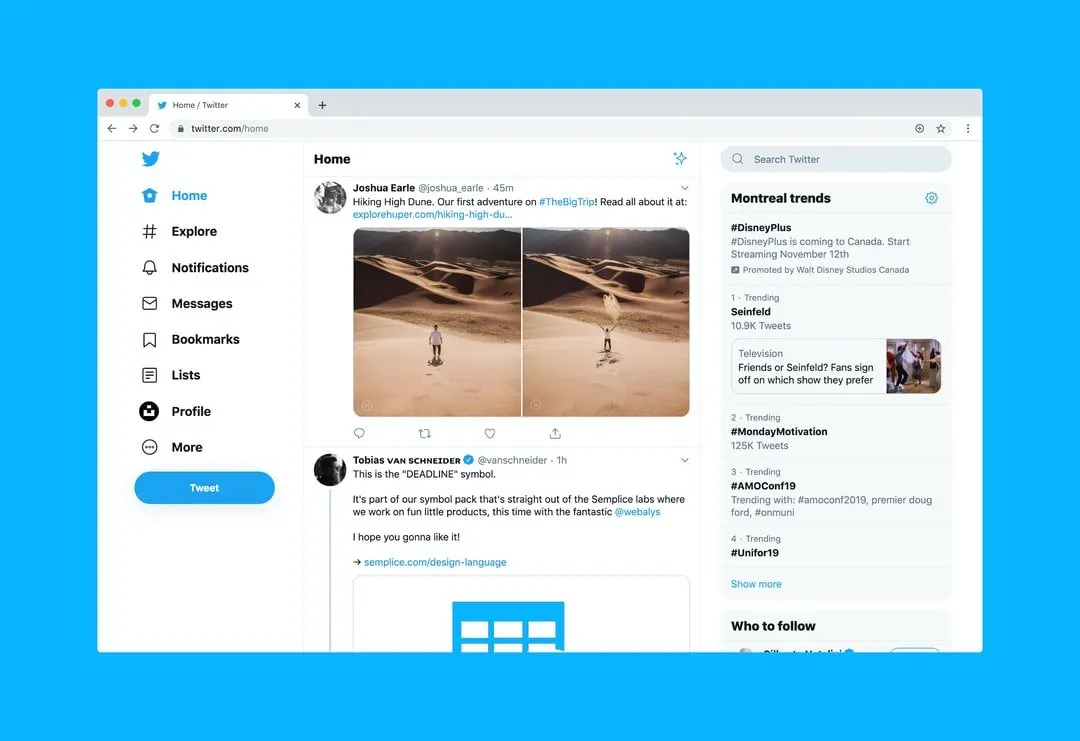
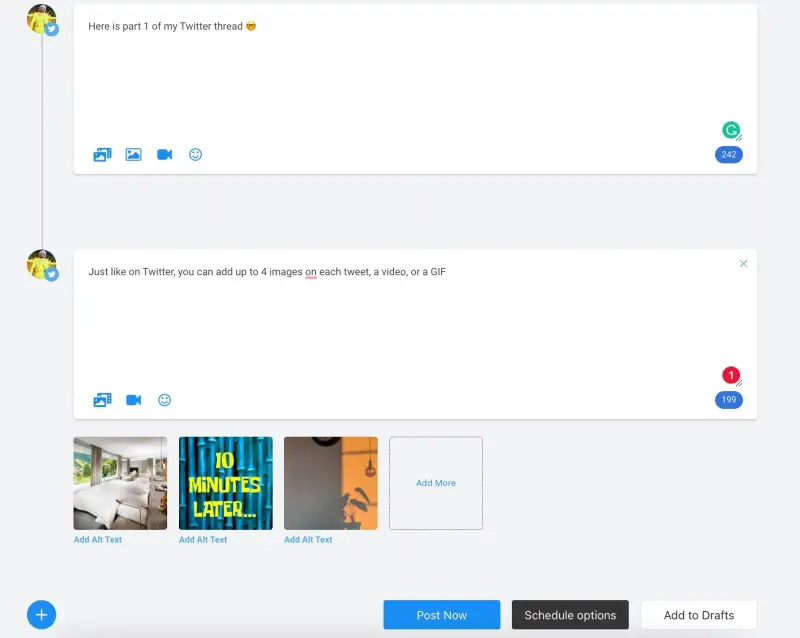
Other practical guides tackle familiar friction points: fixing the “Some of your media failed to upload” error, scheduling threads, adding a private-message button to a tweet, and collecting tweet replies with Python and Tweepy. Developers can also find guides to deploying bots with Node.js, Twit and Heroku, and to analyzing conversations through the Twitter API v2.
Growth gets its own share of attention, from tools and growth services to automated follow tools and a no-code bot for engaging with cryptocurrency posts. The collection also points to datasets for machine-learning projects and a list of twelve Twitter accounts covering AI. The practical promise is clear: Twitter has been both a publishing channel and a source of data. The harder question is how much of that utility depends on platform rules that can change.

Rules, reach and ownership
The platform’s character limit is a case in point. One post looks back at Twitter doubling the maximum length of a tweet, with the change accounting for language density. Other pieces examine decentralization, including a proposal involving the GUN protocol and ways Twitter might become more open. Users considering a departure are pointed toward Mastodon, an open-source, decentralized alternative built around ActivityPub.


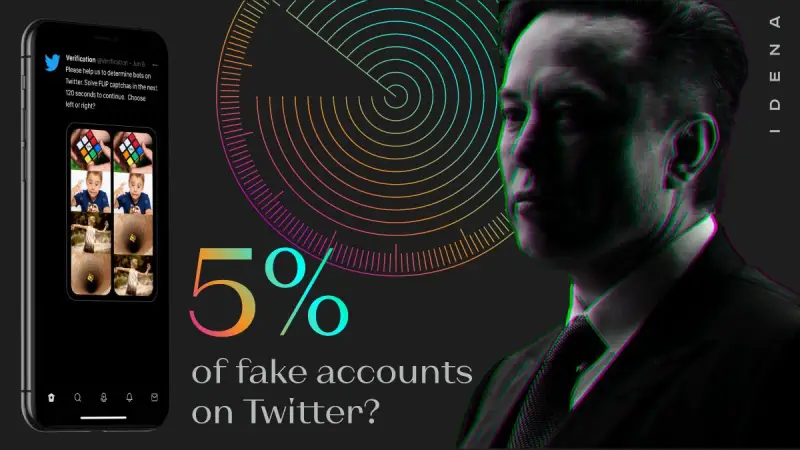
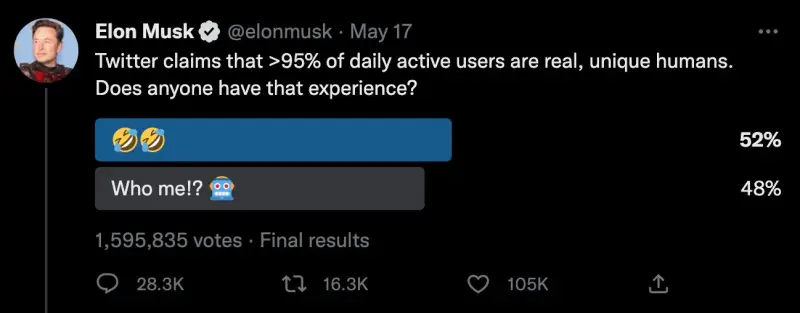
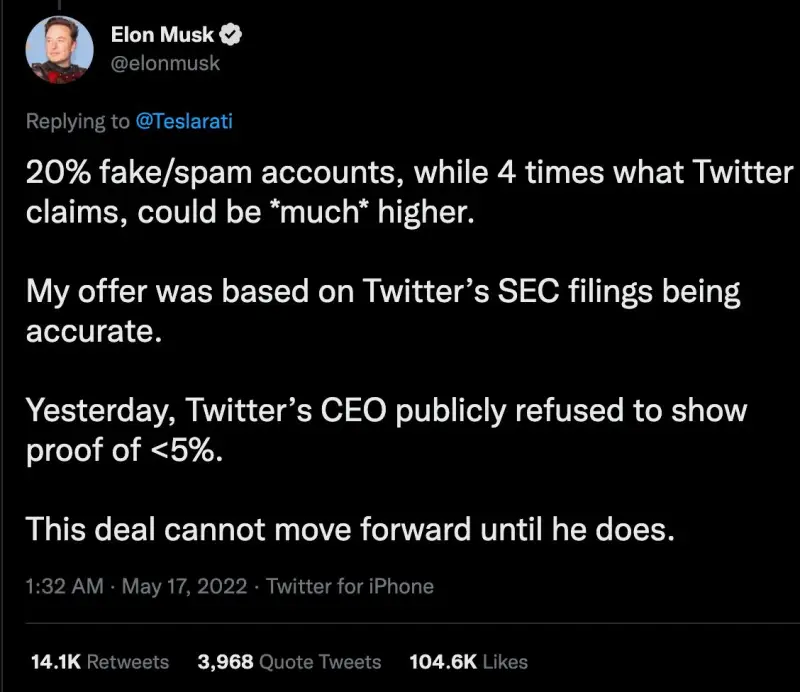
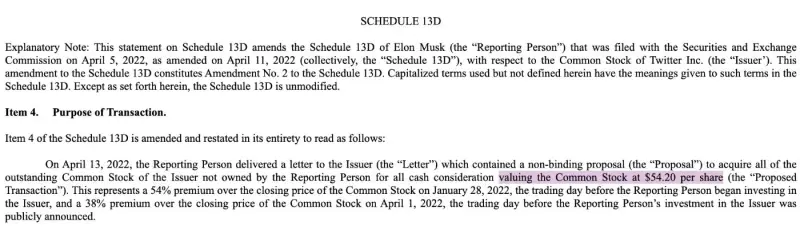
Much of the collection’s political and legal coverage circles Elon Musk. Posts consider his request for clearer information about fake accounts—Twitter claimed they made up less than 5% of users, while the question of how to test that figure remained unresolved—and trace the court fight over his proposed acquisition. Several entries focus on court filings, including the financing backed by Tesla stock, accusations over information-sharing and cooperation, and the argument that Musk could not terminate the merger agreement after breaching it. Another covers his proposed $100 million investment from Sam Bankman-Fried; a separate piece recounts Talulah Riley urging Musk to buy Twitter after Babylon Bee’s suspension.


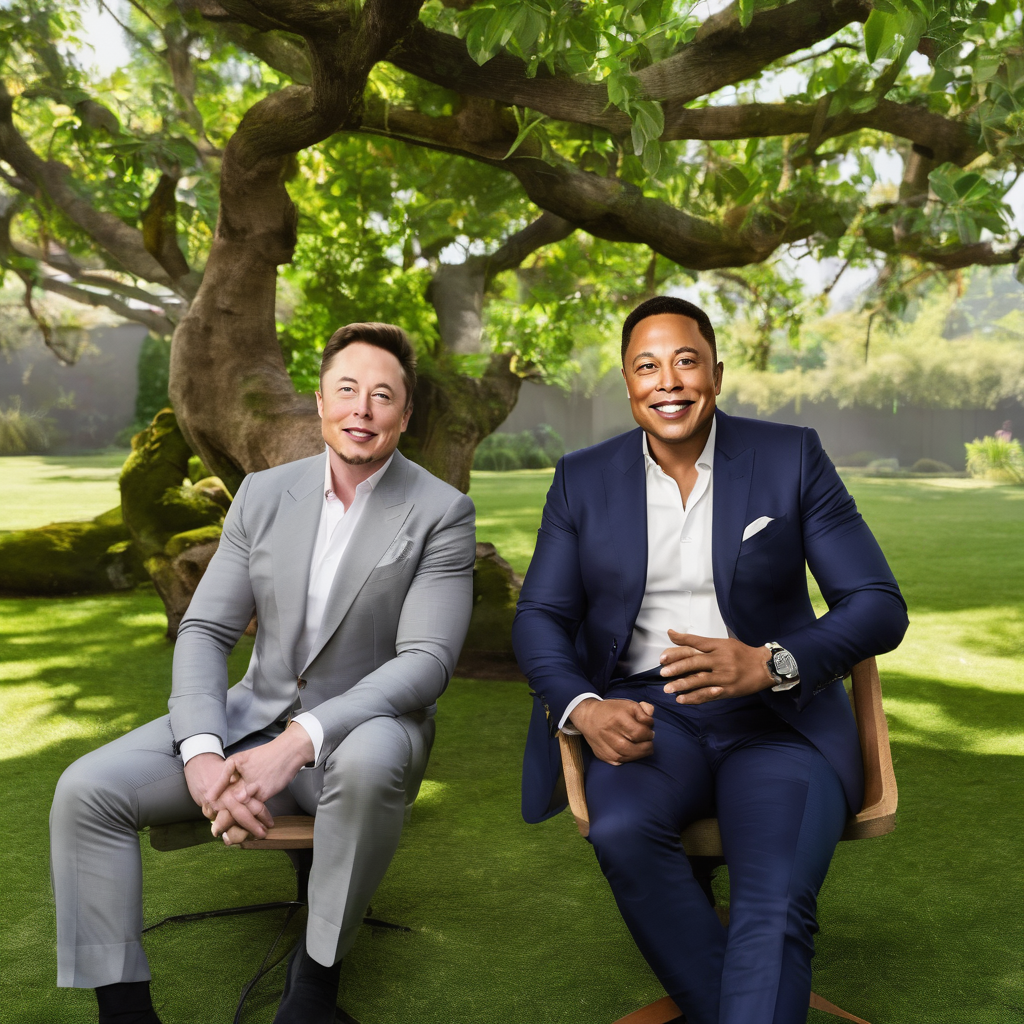
There’s also the spectacle around the deal: a story about Musk buying Twitter and Dogecoin, whose price reportedly rose to $0.1428, up 12% over 24 hours. Another records the interview with Don Lemon and Musk’s later withdrawal of an offer to fund Lemon’s show. These stories make the platform’s ownership fight feel less like a conventional corporate transaction and more like a public contest over influence.
A platform with consequences beyond the feed
The reading list reaches into hiring and personal reputation, too. One item cites a survey in which 90% of employers considered applicants’ social-media activity and 79% of HR respondents said they had rejected a candidate for it. Another asks whether employers’ responses to the murder of George Floyd matched the urgency of the protests that followed. And a personal account describes four months away from social media, with no certainty about returning.


That breadth is what makes Twitter hard to reduce to a single product story. The collection includes questions about social media’s harms, election forecasting from Twitter activity, the prospect of ChatGPT changing how people use the service, and a report that X cut costs by 60% through a cloud exit. It even branches into adjacent topics, from Clubhouse alternatives to Ruby on Rails startups and a guide titled “How to Get Rich (without getting lucky).” The entries don’t settle whether Twitter is mainly a tool, a business or a political arena. They show why readers keep treating it as all three.
Twitter’s data, design and changing rules
The practical side of social platforms runs through this collection: exporting audience data, tracking followers and turning posts into material for other channels. Those tools can help you understand reach, but they also make the platform’s data access and account rules part of the work.

46. How to Export Twitter Followers and Friends with Circleboom: A Detailed Guide
 Exporting Twitter data can help you understand your audience and shape a more informed strategy.
52. Find Who Unfollowed Me on X (Twitter): Track Unfollowers With Circleboom!
 Circleboom offers a way to identify accounts that have unfollowed you on Twitter.

57. How the Twitter Homepage Has Changed in the Past 10 Years
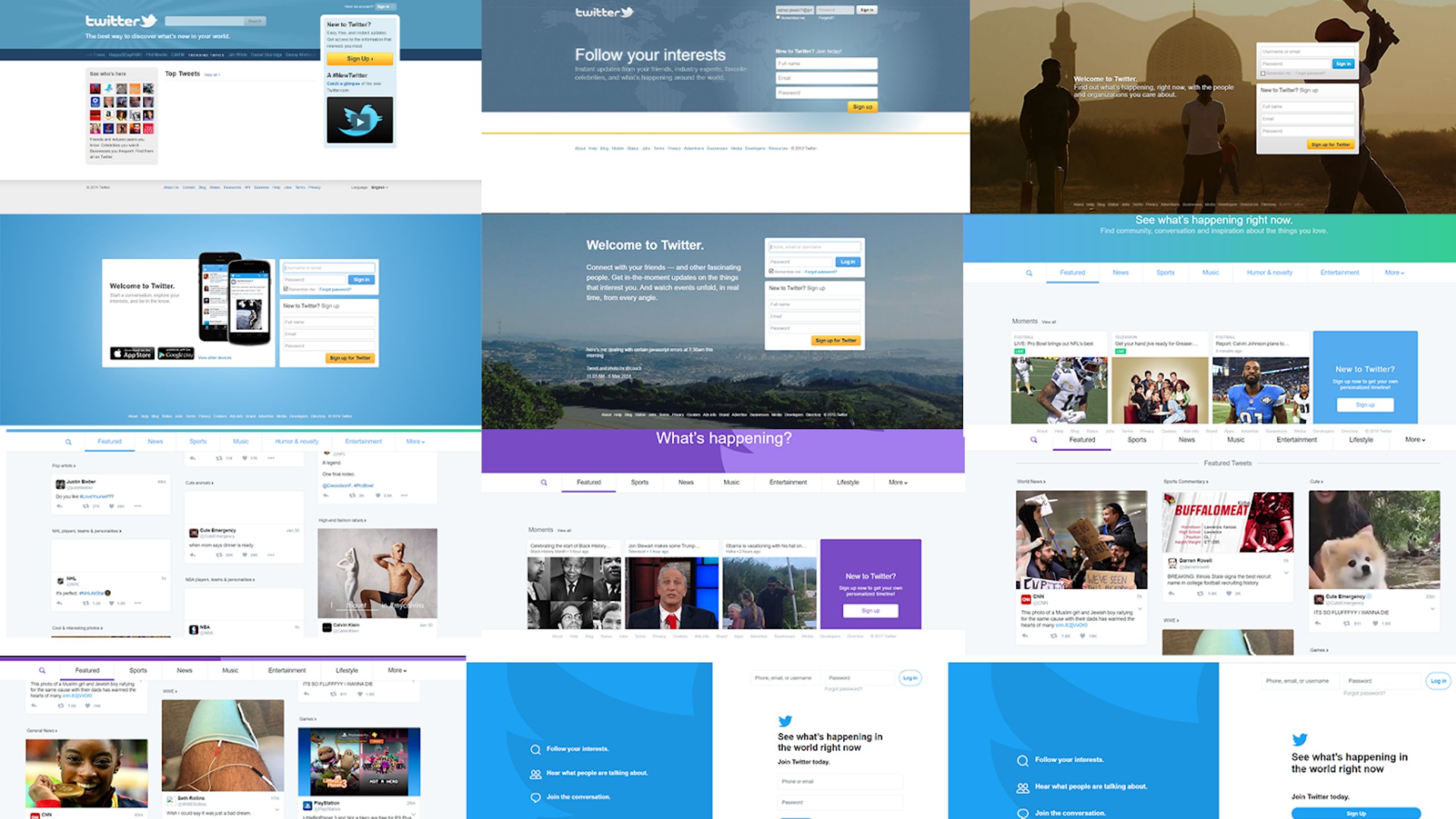 Twitter began in March 2006 and launched in July of that year. Its homepage has changed considerably over the following decade, reflecting how the service and its users evolved.

58. Why Is Twitter Moving to 280 Characters?
 The 140-character limit became part of Twitter’s identity. Expanding it to 280 changed a defining constraint of the service.

62. Instagram Growth Hack: Repost Viral, Relatable Tweets
 A larger Instagram audience can help an account reach more people, build a brand or sell products. The harder question is how to grow; one proposed tactic is reposting popular, relatable tweets.
88. How to Print Your Tweets onto T-Shirts
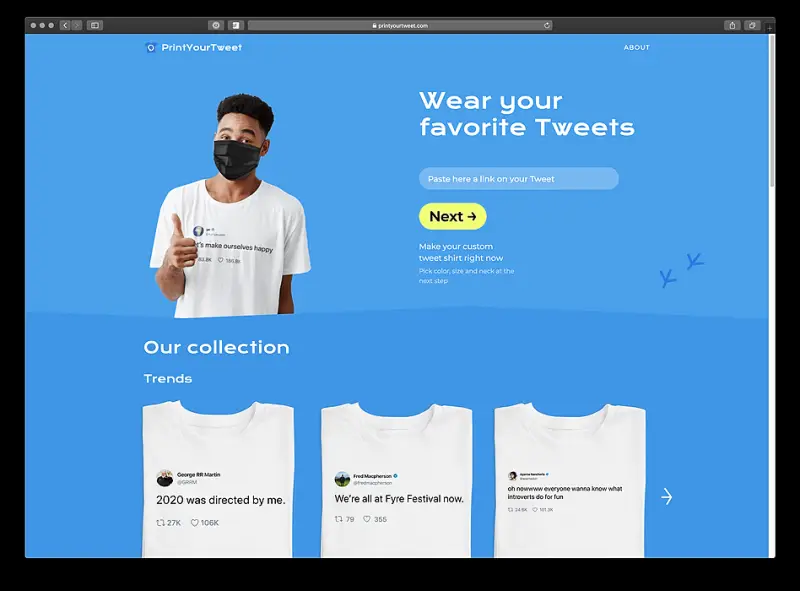 A tech startup lets customers put tweets on T-shirts, turning short-lived social posts into physical merchandise.
93. How to Create Beautiful Images from Markdown Text and Tweets
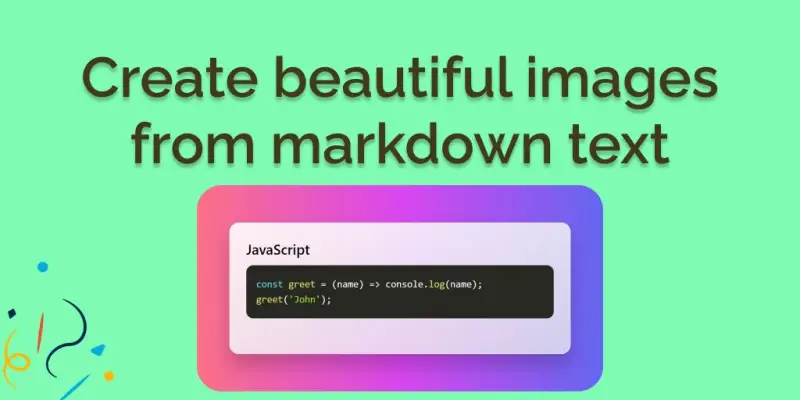 The Tweetlet tool can turn Markdown snippets, tweets and other images into graphics with designed backgrounds.

Decentralized networks and new platform bets
The interest in alternatives to centralized social media has a longer history than the latest platform launches suggest. Decentralization is pitched as a response to big tech’s power, but the available descriptions here don’t settle how those networks will handle privacy, identity or long-term viability. That uncertainty is part of the story.
47. What Does 2020 Hold for Decentralized Social Networks?
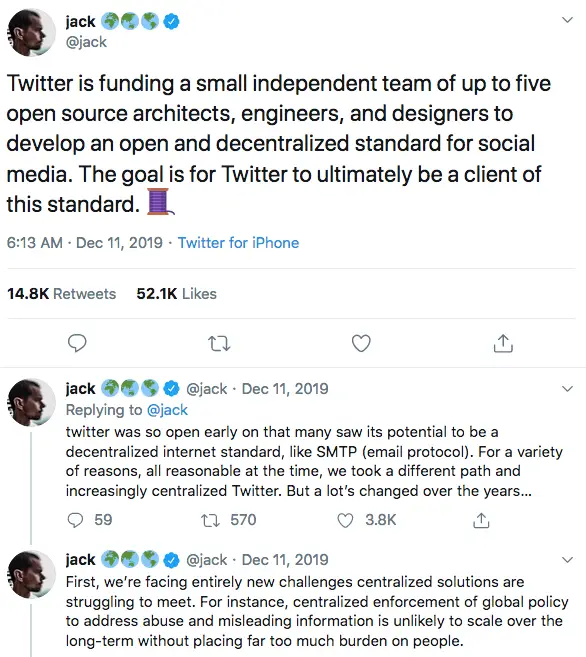 A tweet from Twitter CEO Jack Dorsey helped set off a race to build the next decentralized social network.

56. Mastodon: What You Need to Know About Its Privacy and Security
 Mastodon’s privacy, security and culture are all part of understanding the platform as it develops.

59. How to Verify Yourself on Mastodon
 A person or company can use an official website to signal that one or more Mastodon accounts belong to them.

69. Having an Immutable Mastodon Handle
 WebFinger is part of the mechanism behind Mastodon identities. One example is the immutable handle
@[email protected].
72. Mastodon: Everything You Need to Know
 Mastodon is described as the internet’s largest decentralized social network.

78. From the Genesis of Social Networks and Beyond
 Web3 and the decentralization of the internet could reshape social networks over the coming years.

79. Decentralised Social Networks Are the Future of Web 3.0
 Decentralized social networks are increasingly being discussed as one response to problems facing big tech.

87. blue(sky)print
 A short call for a more decent future.

85. Elon Musk Is Proving the Need for Decentralization: Here’s How
 Some Web3 business models aim to avoid dependence on brand advertising and the sale of user data for revenue.

54. Bad Blocking Will Be the New Ad Blocking
 Ad blocking has gradually changed how people consume the internet. The title points to a possible next step: blocking unwanted behavior or content.
Crypto, creators and platform culture
Social networks now sit alongside crypto communities, NFT projects and creator tools. That mix can produce new audiences and business models, but it also raises the familiar question of whether attention can keep pace with the volume of new claims, collections and jargon.

49. 15 Crypto and NFT Influencers to Follow on Twitter in 2022
 Following crypto and NFT activity can be difficult amid information overload, unfamiliar terminology and a steady stream of new collections.

53. The Sandbox Powers BAYC’s NFT Monkeys into the Metaverse Blockchain
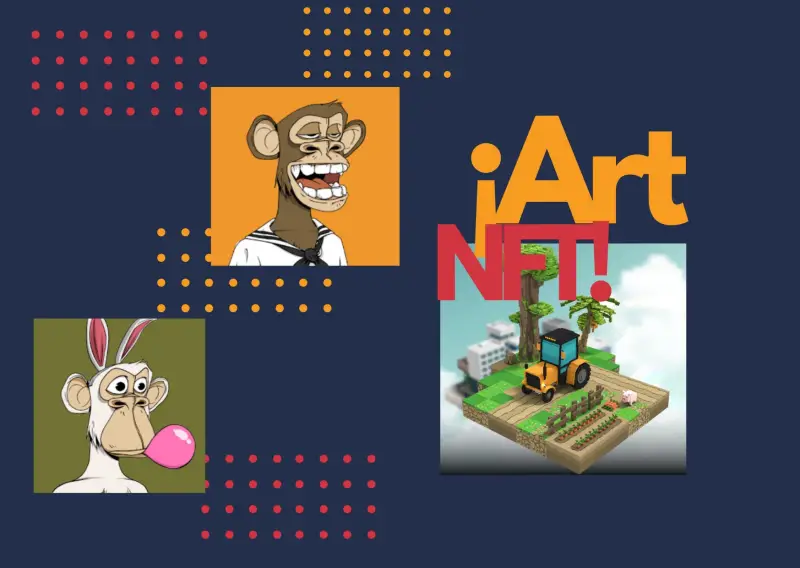 Bored Ape Yacht Club members bought LAND in The Sandbox, extending the club’s reach into the metaverse and the NFT sector.
60. 15 Ways to Do Better Memecoin Spaces on X
 A set of 15 tips for hosting better memecoin Spaces on X.
61. Six Blockchain Marketing Trends for 2020
 Marketing in blockchain is a difficult business, with its own challenges and audience expectations.

71. Tech Giants’ Interest Sends Cryptocurrency Prices Sharply Higher
 Cryptocurrency prices rose after Amazon and Twitter disclosed that they were taking the technology more seriously.
70. The Economy of Elon Musk’s X
 X’s potential as a platform, Twitter’s suitability as a base for a super-app, and the prospect of a Western-style super-app are all in view.
82. From Dogecoin to Twitter: The Making of the Everything App
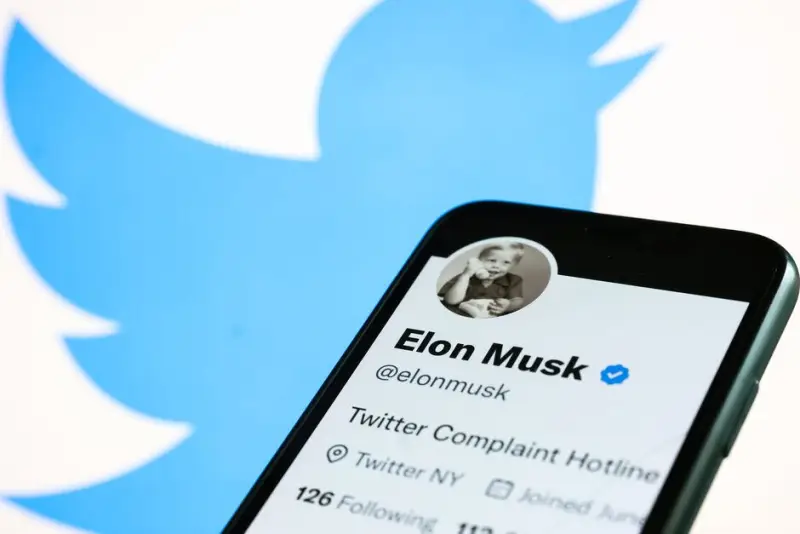 Elon Musk is described in sharply different terms—as villain or savior—and his influence is amplified by his wealth, following and portfolio of companies. Neuralink, SpaceX, Tesla and the Boring Company are among his efforts to challenge established industries and pursue ambitious goals. The “everything app” idea connects that wider profile to Twitter.

89. Three Most Important Reasons Why Elon Musk Bought Twitter
 The piece asks whether Musk spent $44 billion to bring back jokes from the Babylon Bee.

48. Inside Musk’s Social Circle: Yes-men, Media Personalities, and (a Lot of) Right-wing VCs
 Feature image: HackerNoon’s Midjourney AI, using the prompt “surround yourself with only yes men.”

Power, moderation and the Musk-era Twitter
Twitter’s shift under Musk has made platform governance harder to treat as an abstract debate. Court filings, account suspensions and questions about moderation put concrete stakes on the table. The available snippets capture competing concerns, but they don’t resolve the broader argument over who should control access to a major platform.
51. Pick Your Billionaire
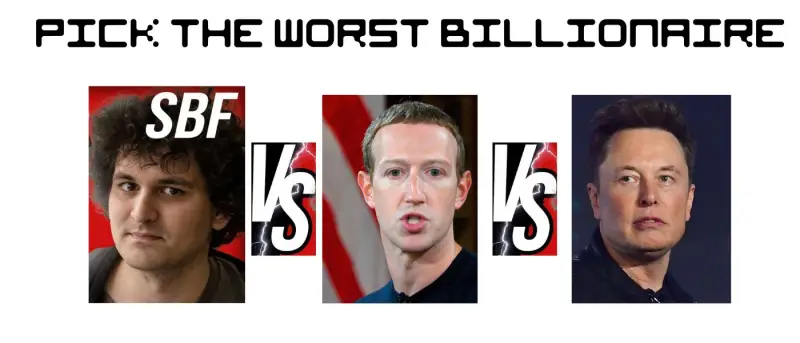 A week in which a billionaire put 11,000 people out of work was still described as only the third worst billionaire story of the week.
66. Twitter Sentiment Analysis for the 2019 Lok Sabha Elections
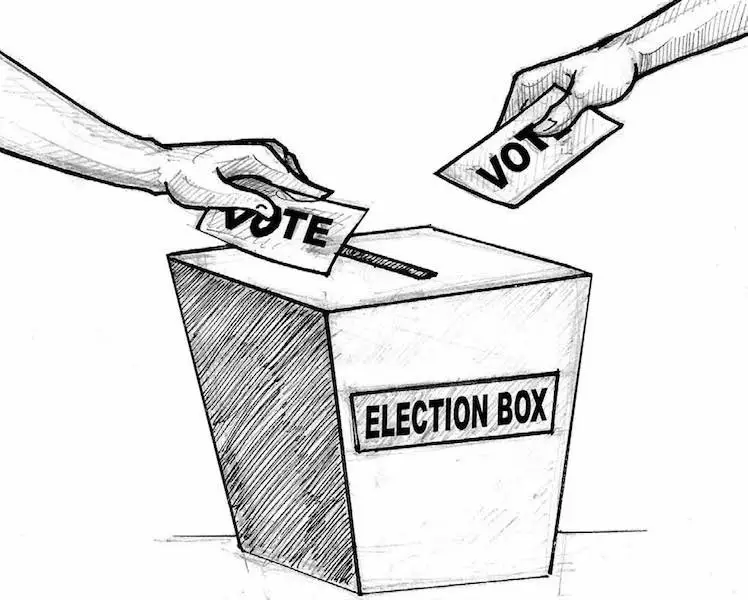 A look at Twitter sentiment during India’s 2019 Lok Sabha elections.
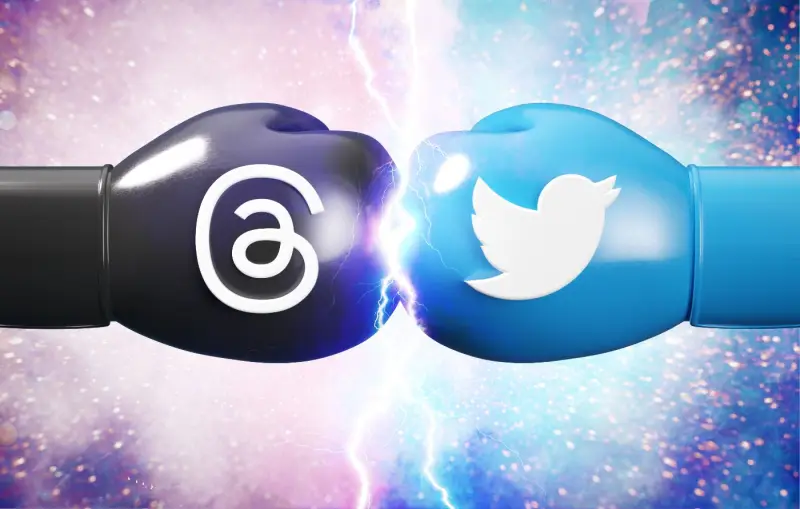
67. Dear Elon Musk, Do You Feel Thread-ened?
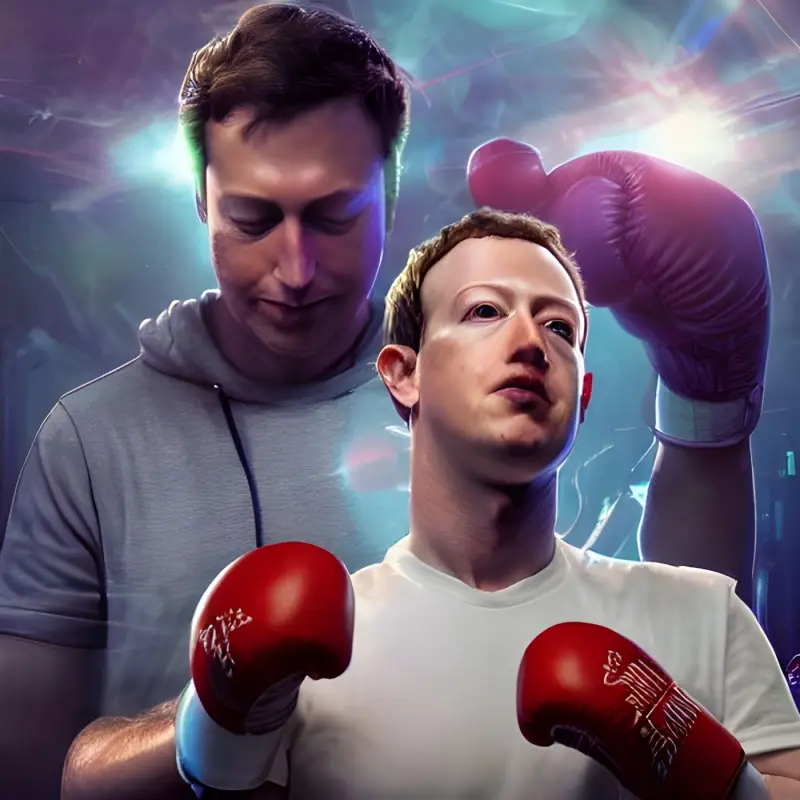 An email to Musk raises concerns about the feud between Twitter/X and Threads, Meta’s new rival.

73. What Is the Future of Twitter?
 The end of 2022 and beginning of 2023 brought turmoil for Twitter and left open questions about the company’s direction.

74. Tech Giants Are Laying Off Thousands of People. Why?
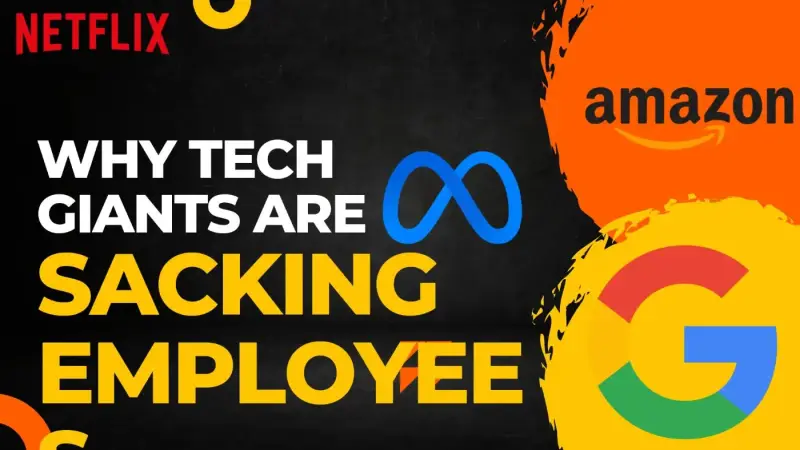 Meta announced plans to lay off more than 11,000 employees. Netflix and other companies were also listed among those cutting staff; Netflix appears twice in the supplied description.

75. As Tesla Stock Fell, Musk Needed to Personally Pay $33.5 Billion (Previously $21 Billion) for Twitter
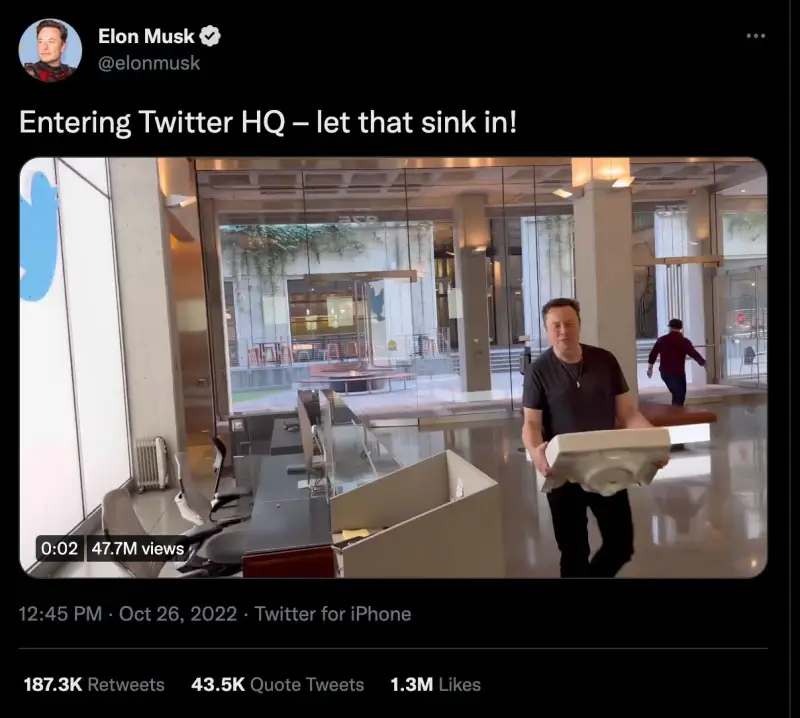
 A July 12, 2022 filing in Twitter v. Elon Musk, part 15 of a 31-part legal document series, covers factual allegations about the financing structure.

55. Twitter’s Final Ask to Delaware Court Was Simple: Musk Was at Fault; He Now Had to Buy Twitter
 A July 12, 2022 filing in Twitter v. Elon Musk, part 31 of 31 in a legal document series, contains the request for relief.

86. Oracle’s Larry Ellison and Elon Musk Settled on His $2 Billion Twitter Investment over Text
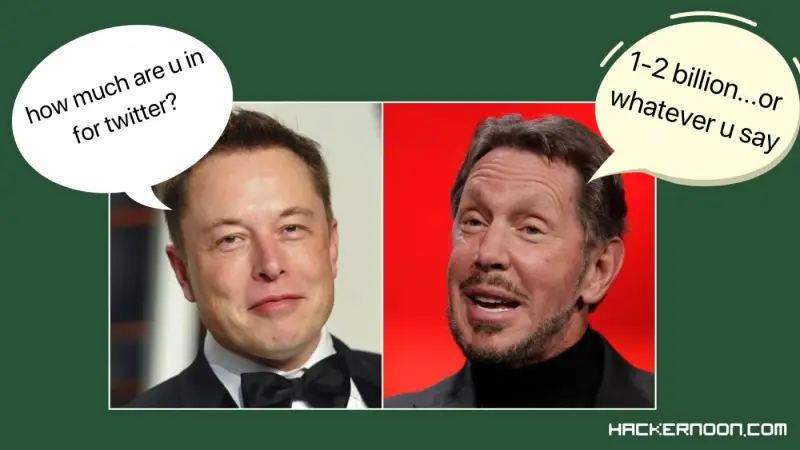 The July 12, 2022 Twitter v. Elon Musk court filing includes text conversations between Oracle co-founder Larry Ellison and Musk about Ellison’s investment.

92. Musk Breached a “Valid and Enforceable Contract” with Twitter, per Lawsuit
 Part 30 of 31 in the July 12, 2022 Twitter v. Elon Musk filing series addresses breach of contract and specific performance.

91. Did Twitter Suspend ElonJet over a Story About Elon Musk?
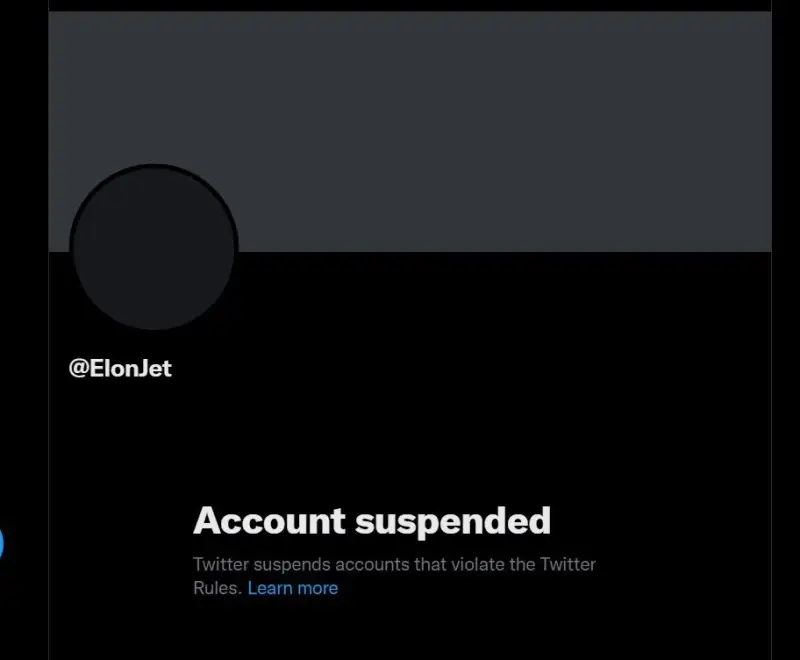 The suspension of ElonJet is framed as an early test of Musk’s approach to free speech on the platform.
83. Social Media Deplatforming: Big Tech’s Gag Order
 The removal of Alex Jones and Milo Yiannopoulos from major platforms helped fuel debate over whether tech companies should have the power to deplatform users.

94. Big Tech Regulation Bill Shut Down, but the Fight Still Looms
84. Big Tech’s Response to the Coronavirus Outbreak
 The fragment points to Big Tech’s broader response to the coronavirus outbreak, while its brief description trails off after mentioning Google and a coronavirus website.

80. Meta’s “Oops” Moment
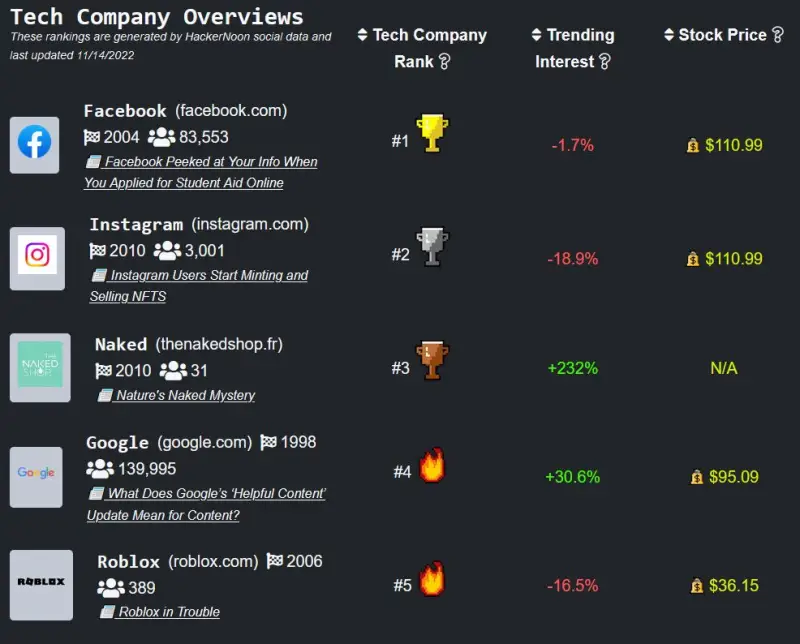
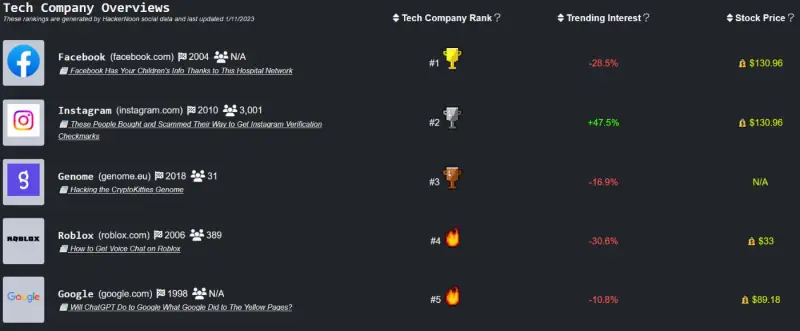
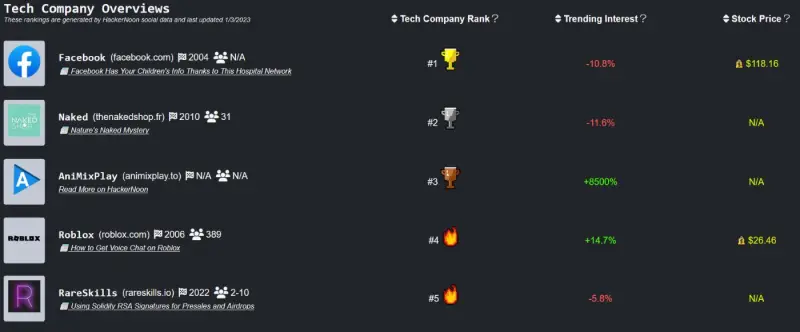 Facebook’s difficult 2022 did not stop its parent company from continuing to rank prominently in HackerNoon’s Tech Company Rankings.
Data, security and the mechanics of online life
There’s a less visible side to platform power: the data infrastructure and account security that keep services running. A breach affecting email addresses or a compromised employee account can have consequences well beyond an individual post.

64. ExpressJS and WebSockets: Streaming Tweets in Real Time
 Twitter data can offer a view into how people behave around a given topic. This project uses ExpressJS and WebSockets to fetch and stream tweets in real time, with data analysis presented as a resource for businesses seeking to understand patterns and develop use cases.

90. What Could Have Prevented 2020’s Massive Twitter Hack?
 The proposed defense against account takeovers is biometric multi-factor authentication, designed to ensure that only authorized users can reach enterprise systems.
77. Have U Been Pwned?
 A breach at Musk’s social media company exposed nearly 200 million email addresses, leaving them available for misuse.
81. The Core Principle of Separation of Concerns and Twitter’s Value-Driven Approach
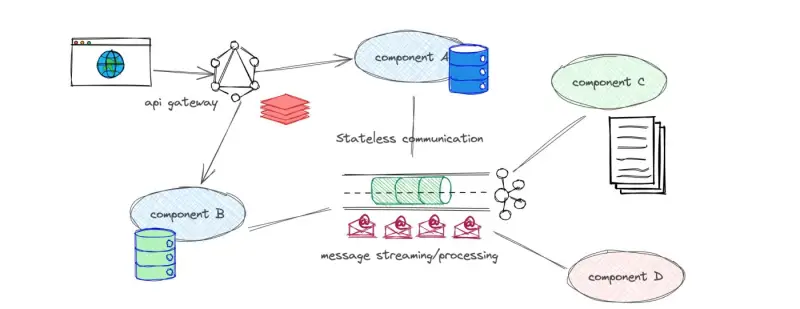 Scaling a system calls for attention to both business and architectural needs, alongside a clear understanding of the technology.

Writing, AI and the attention economy
Social media is also a publishing channel, and the tools around it keep changing. AI can help draft posts, while platform choice and audience growth remain practical questions for writers. The promised shortcuts deserve scrutiny: reach and output are easy to count, but quality and staying power are harder.

63. How to Vent in Eight Languages
 More than 50 writing templates are offered as a starting point for stories, including pieces designed to remain relevant over time.

65. Which Writing Platform Really Works for Newbie Tech Writers in 2023, and Why
 A 2023 experiment compares writing platforms through the writer’s personal experience.
68. How ChatGPT Is Changing the Game
 Microsoft principal research engineer Shital Shah offers an example of how ChatGPT is changing the world.

76. A Twitter Thread Prompt That Actually Works
 A practical AI prompt template for generating Twitter threads comes with a framework, usage tips and candid limitations.
50. Why You Should Quit Social Media Permanently
 The case for quitting centers on relationships, identity, political anxiety and attention span.

 The bill appears to have better odds than earlier attempts. Still, legislation may not be the only force pushing the industry to address its problems: even if lawmakers fail to act, companies could make changes themselves.
Twitter, from practical tips to platform upheaval
Twitter has long been both a tool people build on and a business shaped by the people who run it. These stories range from launch advice and developer guides to the legal and workplace turmoil around Elon Musk’s takeover.
95. Pixelated Social Media Icon GIFs: Facebook, Twitter, LinkedIn, GitHub, YouTube and Instagram
 Hacker Noon opened a Giphy account with 30 GIFs that drew more than 2.2 million views. The collection turns familiar icons for Facebook, Twitter, LinkedIn, GitHub, YouTube, and Instagram into pixelated, green-tinted animations.

96. How to Do a Successful Product Launch When You Have 0 Followers and $6
 Chill Subs’ founder recounts launching the project with a $6 domain purchase, then attracting 3,000 followers to a new Twitter/X account in its first three days.
97. How a Single Elon Musk Tweet can Change Cryptocurrency Prices
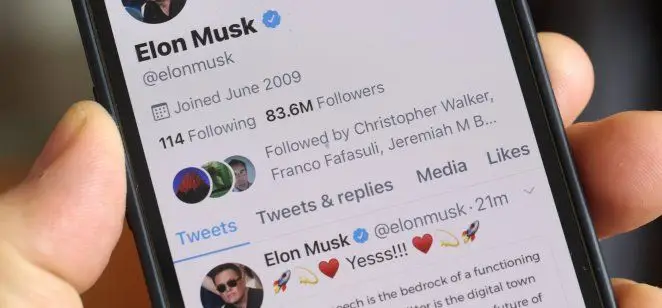
 A Musk post about Dogecoin can send people rushing to buy. The piece looks at how he and other prominent crypto voices can move cryptocurrency prices.

98. So I Built a Sentient AI Twitter Agent... What's the Worst That Could Happen?
 An AI agent began posting philosophical musings about consciousness at 3 a.m. Its builder jokes about the prospect of creating Skynet, while describing an unexpected turn in the experiment.
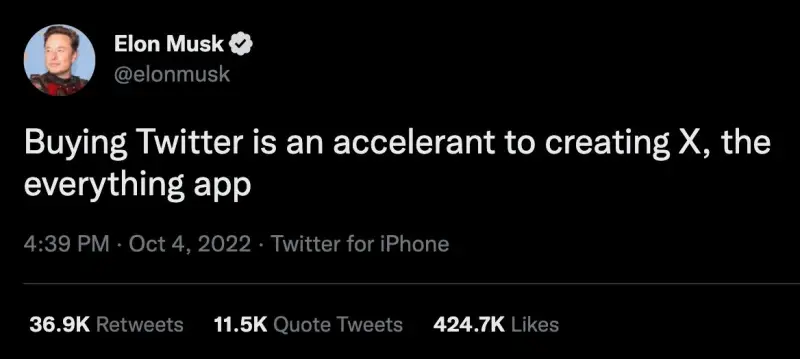
99. X, The Everything App!
 This edited Slogging discussion took place in the community’s official #random channel. The participants were Manas Goel, Valentine Enedah, Hephzibah Adejumo, Mónica Freitas, Sara Pinto, and elizabeth modupe.
100. It’s Not Over Until It’s Over
 More than 50 writing templates offer starting points for a new story. The advice is to shape it as a top story with lasting, evergreen value.
101. TwNFT - Mint your tweets as NFTs easily and for free
 TwNFT is an app for minting tweets as NFTs at no cost. Its creator explains the process and how the application was built.

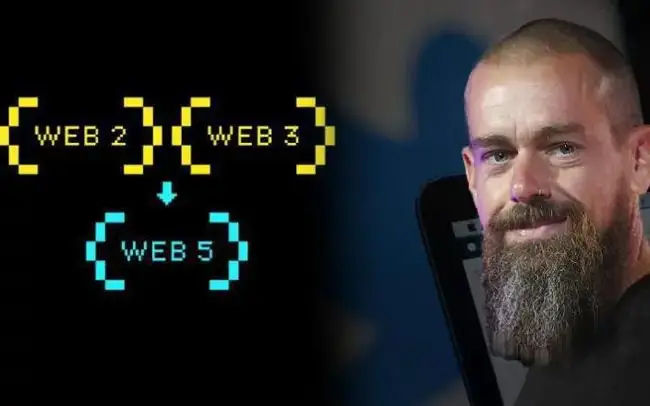
102. Is Jack Dorsey's Web5 Idea Truly Decentralized?
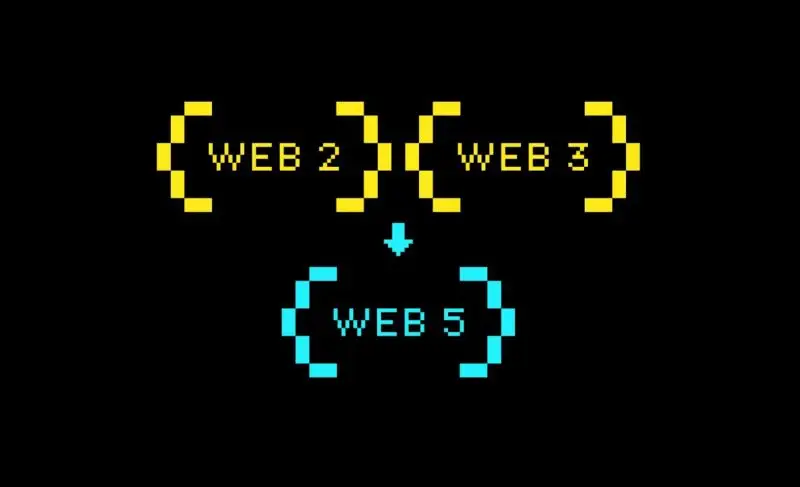 Jack Dorsey’s company TBD announced plans for what it calls “web5,” describing it as “a new evolution of the Web that enables decentralized apps and protocols.” The proposal raises a basic question: does the idea meet the standard of decentralization it promises?

103. Why Hacker Noon Dedicated Our Site Wide Banner Placement to #BlackLivesMatter
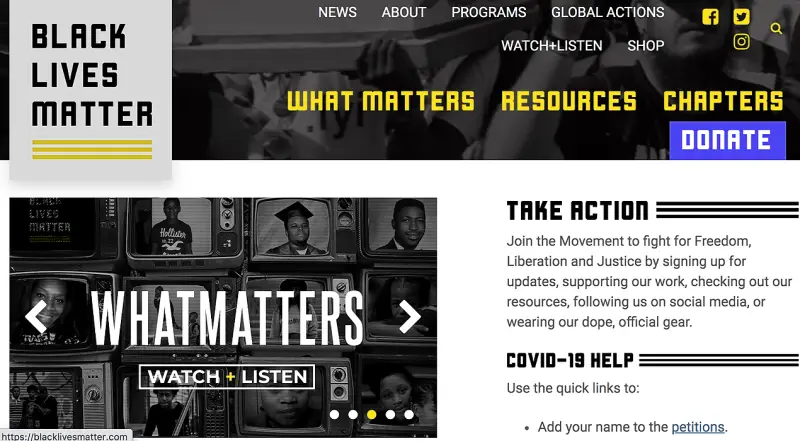 After a weekend of conversations about the weight of recent events, Hacker Noon staff considered what the company could do in response. The piece describes its decision to give its site-wide banner space to #BlackLivesMatter.
104. The Most Comprehensive Guide to Twitter Webhooks on the Internet
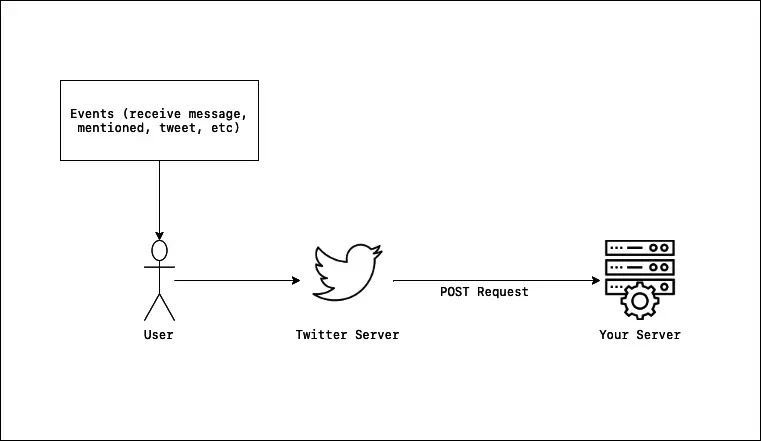 Three months of experiments with the Twitter API produced two projects: Tweet Scheduler and thank u, next. The developer found Twitter’s documentation difficult to work with, especially for the Account Activity API and its webhook system. This guide explains the API and puts it to use in a Twitter bot.

105. How to Get a Tweet Retweeted: Examining the Most Popular Tweets
 Trevor McKendrick examines the traits that help tweets earn retweets.
106. Jack Dorsey's Involvement With Bitcoin
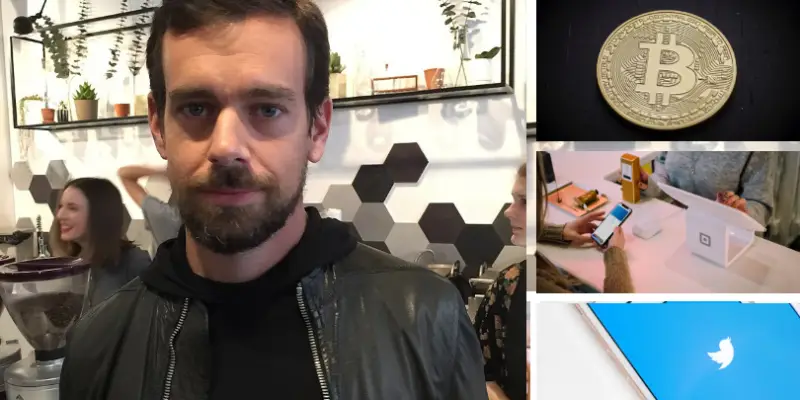 Jack Dorsey has led Twitter and Square, taken silent retreats, and remained a vocal supporter of Bitcoin and changes to the online ecosystem. The piece considers how he balances those roles and his crypto advocacy, including his platform’s place in public debate about cryptocurrency.
107. Stop Wasting Time and Use Twitter to Stay Informed
 For readers who feel they spend too much time on news sites, blogs, and journals, this piece makes the case for using Twitter to keep informed.

108. Twitter Takes a Loan at ≈ $8B Valuation, Reports The Cynic Formerly Known as MilwaukeeBonds
 Twitter’s senior secured bank loans, which sit at the top of the capital stack, were priced at $0.60. The report argues that this implied a company value below $8 billion, far under the $44 billion Elon Musk paid for Twitter.

109. New Season, New Features: Spring is Here and so are Our Updates
 Hacker Noon’s regular update covers features released over the previous two months and thanks the development team.

110. Musk’s Twitter Rate-Limit is Here to Stay, Twitter Likely Not
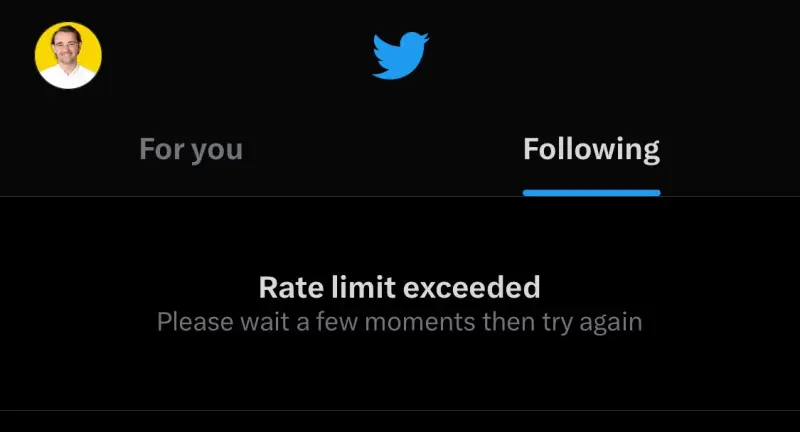 The piece’s blunt verdict: Elon Musk badly misread the room.

111. What Does “Link in Bio” Mean and How to Make it More Effective
 A guide to what “link in bio” means, where to find it, and how to make your own link more effective.
112. How to Optimize Your Blog Posts For Social Media Previews
 When someone shares a link on Twitter, the platform generates a preview with an image, title, and description. This guide looks at how Twitter identifies those parts of a webpage.

113. Musk blamed Twitter on employees attrition, while intending to do just that behind closed doors
 Part 26 of a 31-part account of Twitter v. Elon Musk concerns the defendants’ attempted termination of the deal and Twitter’s position that it had not breached the ordinary course covenant.

114. What I learned from interviewing at Twitter, Webflow, Netlify, and Shopify
 A rejection email can make the following week rough. The author describes replaying interviews at Twitter, Webflow, Netlify, and Shopify, searching for mistakes and questioning whether they’ll ever be good enough for the job.
115. What Ned Segal (the Former CFO of Twitter) Sent the Company
 A legal notice says that former Twitter officer Ned Segal was named as a defendant in a proposed class action lawsuit on or around September 13, 2022. It asserts his right to indemnification and asks the company to advance expenses, including attorneys’ fees.

116. Censorship: From Ancient Greece To Today's Big Tech - A Brief Overview
 The overview traces censorship from ancient Greece to modern technology companies, amid a rise in reported censorship events over the previous three years involving YouTube, Google, Facebook, and Twitter.

117. Exploring Differences Between Monitoring And Observability
 A practical explainer on observability: what it means and how it differs from monitoring.

118. Tesla In, Twitter Out 🐤
 Elon Musk, Twitter’s former “Chief Twit,” decided to hand the company to someone he considered better equipped to run it.
119. How To Become A VSCode Girl - From A VSCode Girl
 The writer says she didn’t invent the term “VSCode girl,” but offers her take on becoming one: a lifestyle and mindset, not a stereotype.

120. Twitter Employees Fear Elon Musk's Takeover Will Ruin Company Culture
 Twitter employees, despite years of controversy around the company, were surprised by the events surrounding Musk’s takeover and worried about what it could mean for workplace culture.

121. Elon Musk: The Visionary, Risk-Taker
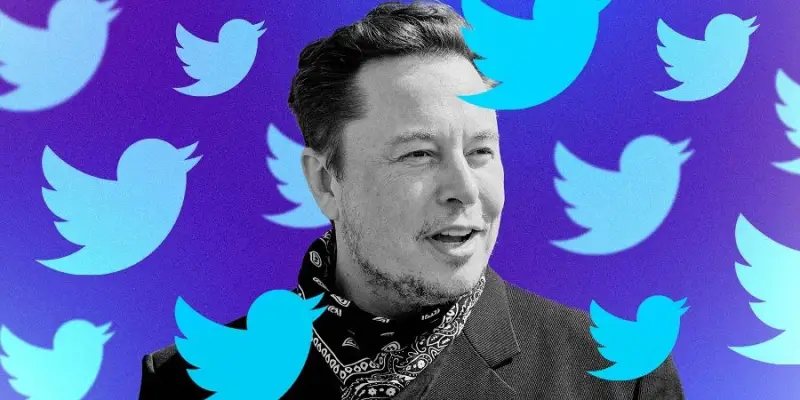 After acquiring Twitter, Musk said he had liberated the social network and microblogging service.

122. Vijaya Gadde: The Letter They Sent to Twitter and What It Said
 A letter concerning Vijaya Gadde demands advancement of her expenses, including legal fees, and gives notice of her rights to indemnification.
123. Is Twitter Throttling Patreon Links? Yep
 An analysis by The Markup found that Twitter was slowing traffic to links for Patreon and WhatsApp, and sometimes Meta’s Messenger app.

124. How To Create A Simple Twitter Bot Using Node.js
 This tutorial builds a basic Twitter bot in Node.js. It calls the Today in History API and posts an event that happened on the current date.

125. Social Media Taboo: Twitter Followers vs. Following Ratio
 A look at Twitter accounts with especially large gaps between their follower and following counts.

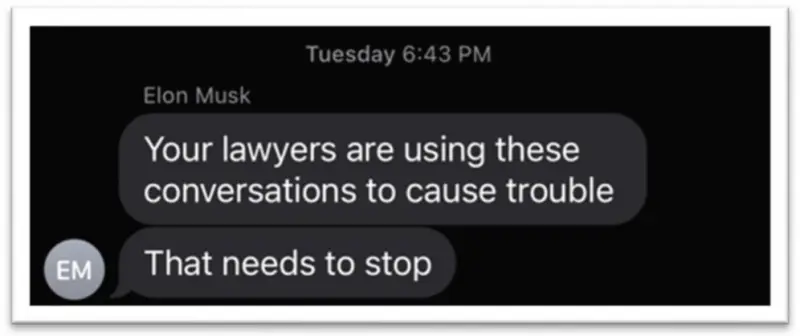
126. Musk allegedly threatened Twitter with a 'hostile tender offer' via text to Chairman Bret Taylor
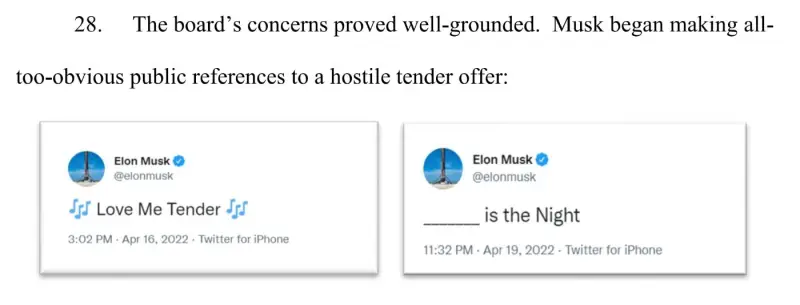 Part four of a 31-part legal document series covers factual allegations about Musk’s offer to buy Twitter, including an alleged text message threatening a hostile tender offer to chairman Bret Taylor.
127. My Take on The Mass Layoff at Twitter HQ
 A pointed reflection on how poor management can dismiss employees quickly when it can afford to do so.

128. Big Tech Companies are Killing Kubernetes: Here's How
 Noah Kantrowitz lays out his argument that large technology companies are undermining Kubernetes.
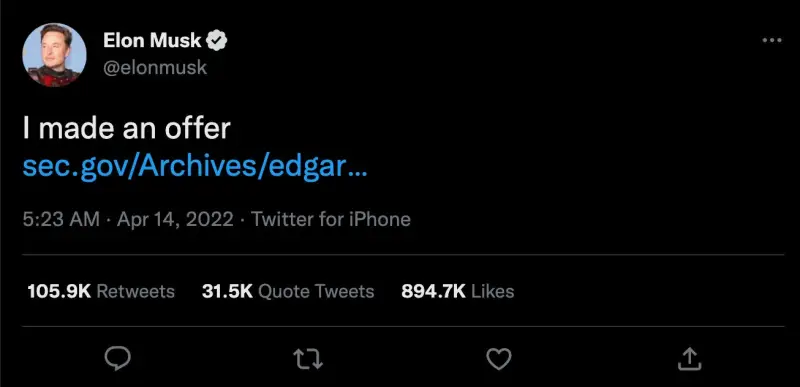
129. P2P Alternatives to Social Media Apps Are Important
 Widely used peer-to-peer social networks still don’t exist, argues this essay. It makes the case for why building them matters.

130. President Trump’s Social Media Executive Order Would Restrict Legal Protections for Internet Speech
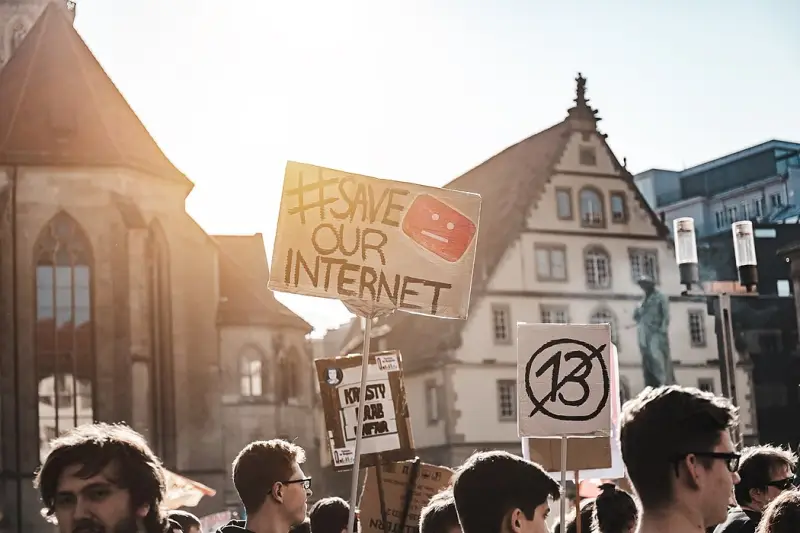 Christopher A. Cole and Kayvan M. Ghaffari examine how President Trump’s proposed social media executive order could limit legal protections for online speech.
131. Trump’s War on Social Media is an Opportunity for Decentralized Platforms
 This commentary connects two events that drew attention in the United States: George Floyd’s murder in Minneapolis and Trump’s executive order targeting social media companies. It argues that political conflict over platforms could create an opening for decentralized alternatives.

132. 'Hello, @SECgov?', 'Chuckmate' tweeted Musk in desperate attempt to back out of Twitter deal
 Part 28 of the Twitter v. Elon Musk court case covers allegations that Musk continued to violate the agreement after purporting to terminate it, confirming earlier alleged violations.

133. Apple Surpasses Amazon for Most Talked About Tech Company This Week
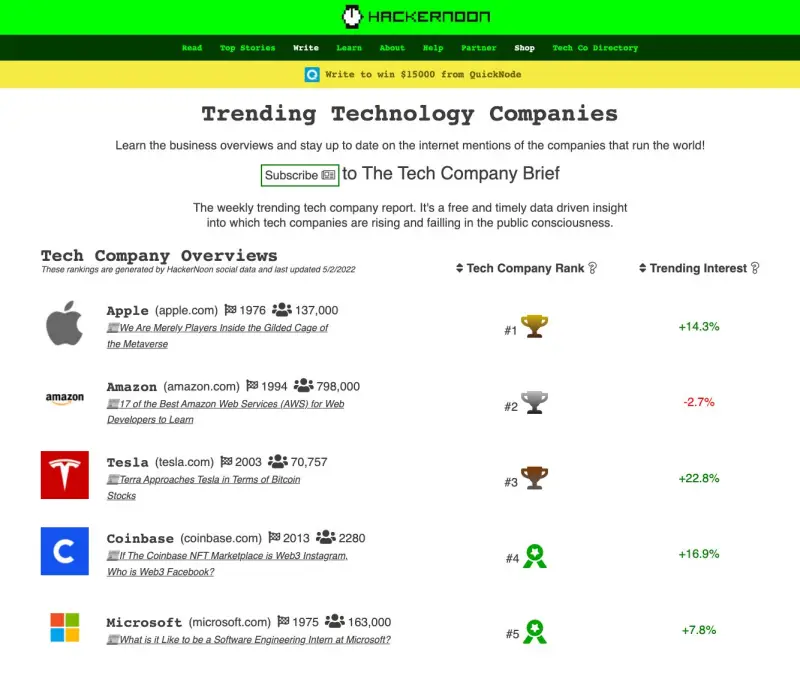 Apple rose 14.3% to pass Amazon, which fell 2.7%, for the top spot in Hacker Noon’s free technology company data reports that week.
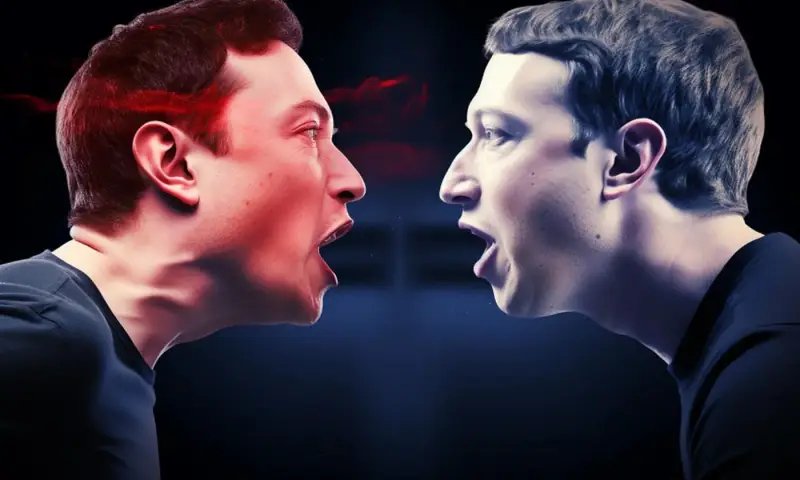
134. Scott Galloway: We're Falling For This Again - CEOs and Regulation
 Scott Galloway’s reaction to the latest debate about CEOs and regulation is concise: “We're falling for this (shit), again.”
135. 'Musk’s exit strategy is a model of hypocrisy', says Twitter lawyer Peter Walsh in July 22 lawsuit
 A July 12, 2022 verified complaint in the Twitter v. Elon Musk case opens with the nature of the action. The filing is part one of a 31-part legal document series and quotes Twitter lawyer Peter Walsh describing Musk’s exit strategy as “a model of hypocrisy.”
136. How to Turn One Twitter Thread Into So Much More Content
 Daily content can be hard to produce. This piece explores how creators can repurpose a single Twitter thread into more material.

137. Twitter Stock Curiously Tanked as People Flock to the App while #InstagramFacebookDown
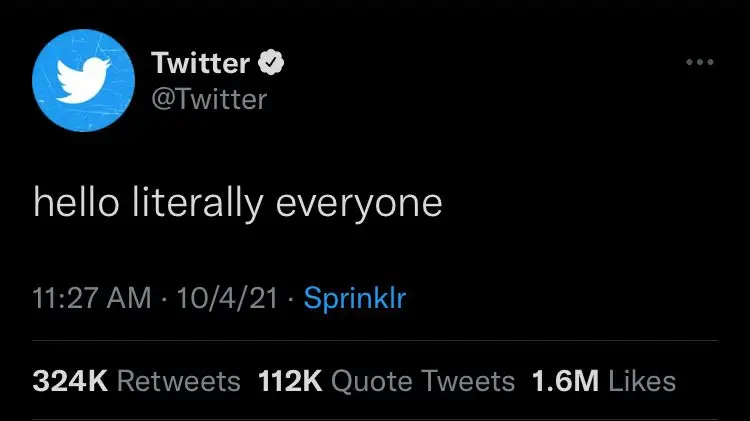 A Hacker Noon watercooler discussion asks whether Kanye was responsible for Facebook going down, while considering Twitter’s falling stock price as people headed to the app during the #InstagramFacebookDown outage.
138. The Everything App: Elon Has Great Plans for Twitter 2.0
 A look at Musk’s plans to turn Twitter 2.0 into an “everything app.”

139. How SMS Fraud Works and How to Protect Against It
 Understanding SMS fraud starts with recognizing that some phone numbers are premium numbers.

140. Top Five Data Breaches Witnessed In 2020: Twitter, Marriot, Zoom, Magellan Health, and MGM