Nvidia Says Jensen Huang Resigned as Board Scrutinizes Reported Workplace Relationships
- David Brown
- 946 reads
Nvidia says Huang resigned, with CFO Colette Kress serving as interim CEO, after reports raised questions about his relationships with employees.
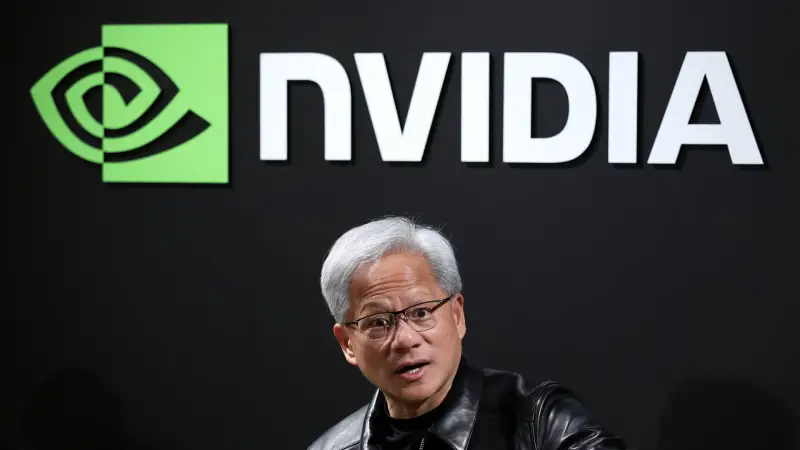
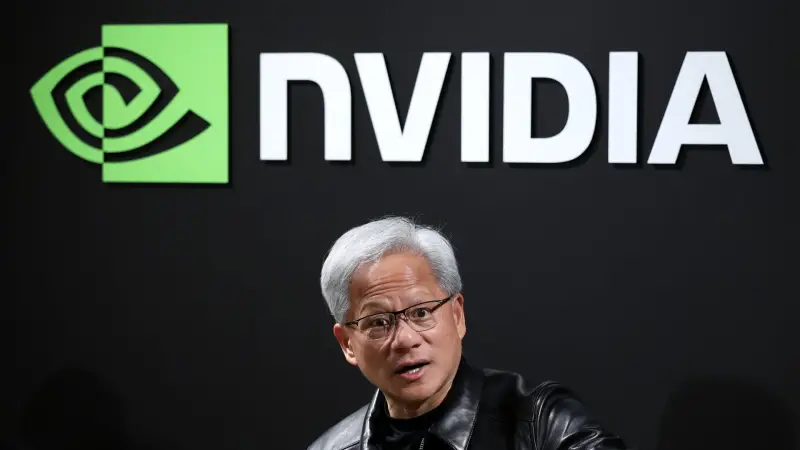
Nvidia’s leadership changed after reports about CEO Jensen Huang’s personal relationships put his position under scrutiny. An update dated Thursday, Nov. 12, says Huang resigned that morning and CFO Colette Kress took over as interim CEO. That outcome makes the board’s response the immediate question; the next is how Nvidia will manage continuity at a company whose chief executive has been closely associated with its strategy and public profile.
The reports centered on two relationships. The New York Times reported that Huang had a relationship with Kimberly Powell, Nvidia’s vice president of healthcare. People it spoke with said the pair had been seen showing affection as recently as March. The report did not establish whether the relationship was continuing. Powell is described as married, as is Huang, who has been married since 1985.
The Powell report followed Huang’s admission of an affair with Alice Huang, an executive at Megaspeed who is not related to him. Nvidia had said he would remain CEO while it investigated that relationship. The new reporting appears to have changed the situation: The Wall Street Journal reported that Nvidia’s board intended to remove Huang, while Reuters reported that board members were meeting late Wednesday to consider his future. The Thursday update says Huang resigned.
Why workplace relationships raise company questions
Nvidia’s code of conduct does not explicitly bar employees from dating coworkers or having affairs. It does, however, warn employees to avoid conflicts of interest, including those that can arise from personal relationships, and says managers should serve as role models. The document asks employees to consider how their conduct would look if it became public or reached respected colleagues. It also sets an expectation that employees avoid taking undue advantage of business relationships.
Those principles leave an important practical question: what did the relationships mean inside the company? The reports identify Powell as a senior executive, but the available details do not establish whether either relationship affected decisions, reporting lines, access to information or workplace treatment. Those facts matter to any internal assessment. A relationship can create a perceived conflict even when no business decision is shown to have been influenced; determining whether the risk became an actual conflict requires more than confirming that a relationship existed.
That distinction is especially relevant when the person involved leads the company. Nvidia’s code says managers set an example, and the CEO’s conduct can shape how employees understand and apply workplace standards. The board’s response therefore concerns more than personal behavior: it also tests whether the company’s stated expectations apply consistently at the top. The available reports do not describe the investigation’s scope or its findings, so the basis for the board’s reported plan remains unclear.
Leadership continuity is now the operational issue
Kress’s appointment as interim CEO gives Nvidia an immediate leadership arrangement, but the update does not say how long it will last or who will take the role permanently. That leaves practical questions for employees, customers and suppliers: who will make key decisions, how existing priorities will be managed, and whether the change affects the company’s plans. The source provides no details on those points.
For a company whose CEO is a prominent spokesperson and a central figure in its business story, a transition can also change how outsiders assess leadership stability. That does not, by itself, establish a change in product plans or execution. Teams will look for clear responsibility, steady communication and evidence that core work continues under the interim arrangement. Investors and customers will likewise watch for concrete signs of continuity rather than relying on the pace of reports about Huang’s departure.
Market reaction does not settle the business questions
Nvidia’s shares had already fallen around 10 percent through Tuesday’s close after the first affair became public, according to Bloomberg. The source reports a further decline of more than 8 percent in Wednesday’s after-hours trading following the second relationship report and coverage of Huang’s possible removal. Those movements capture the market’s immediate response, but they do not explain how much came from leadership uncertainty or whether the company’s operations will change.
Huang acknowledged the relationship with Alice Huang in an email to employees on Nov. 8, which Nvidia later published. The first report also connected that relationship to claims about intelligence activity; those claims remain disputed and do not establish anything about Nvidia’s workplace processes. For the company’s governance questions, the more concrete issue is whether internal standards were followed and how the board reached its decision.
The next useful signals are straightforward: whether Nvidia confirms a longer-term leadership plan, whether it explains the board’s process, and whether it clarifies how its conflict-of-interest rules apply to senior executives. Until then, Kress’s interim role provides a near-term answer to who is leading Nvidia, while the company’s handling of the transition will show how it intends to restore confidence in its management.